
Aero Bridge Deficiency Costs Nigeria N25 Billion Annually in Aircraft Towing Fees.
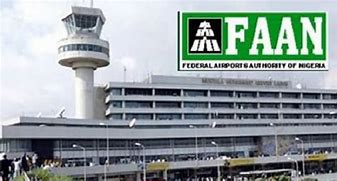
International airlines operating in Nigeria collectively spend approximately N25 billion annually on aircraft towing services due to the non-availability of functional aero bridges at the country’s major airports. The delay in installing these bridges, despite their procurement over a decade ago, has forced airlines to rely on ground handling companies for aircraft movement.
Unlike in developed nations where aero bridges seamlessly align with aircraft doors for immediate and efficient passenger disembarkation, Nigerian airports require airlines to pay hefty fees for towing their aircraft to designated points before passengers can exit. This process not only incurs significant costs but also adds an average delay of 20 minutes to the disembarkation process.
Unutilized Aero Bridges Purchased Since 2014
An aero bridge, also known as a jetway or air bridge, is a telescoping corridor that connects an airport terminal directly to an aircraft, providing a secure and convenient passage for passengers. However, in Nigeria, these facilities remain largely underutilized despite their procurement.
Investigations revealed that 28 aero bridges were purchased in 2014 but have yet to be delivered and installed at the airports. Sources indicate that the equipment was acquired from China, yet it remains undelivered for reasons that authorities have not clarified.
Operational Impact at Murtala Muhammed International Airport
The Federal Airports Authority of Nigeria (FAAN) records an average of 21 takeoffs and 12 landings daily on the 18R/36L runway of Murtala Muhammed International Airport (MMIA) in Lagos. This translates to about 630 takeoffs and 360 landings per month, with a total of approximately 11,880 aircraft movements annually at the aerodrome.
Financial Burden on Airlines
Industry operators revealed that ground handlers at the airport charge $1,350 to tow a large aircraft and $673 for a small aircraft. Given the 11,880 aircraft movements annually, the total amount spent by international airlines alone on towing their aircraft sums up to an estimated $16,038,000.
With an exchange rate of N1,534 to a dollar, calculations indicate that international airlines collectively pay over N24.6 billion yearly to ground handlers for aircraft towing services.
Allegations of Connivance
Reacting to the situation, a former Managing Director of the Nigerian Airspace Management Agency (NAMA) and CEO of TopBrass Aviation, Roland Iyayi, suggested that the prolonged delay in deploying the aero bridges may be deliberate, benefiting ground handling companies at the expense of airlines.
“For me, I see what is happening as a sort of connivance by some people to make money for the ground handling companies. Just like the case of generator companies benefiting when the national power supply fails, this situation seems to have created an artificial necessity for towing services,” Iyayi stated.
He urged FAAN to resolve the issue promptly, emphasizing that the situation imposes an unnecessary financial burden on airline operators.
Calls for Urgent Action
Similarly, retired Captain Mohammed Badamosi called on FAAN to expedite action on the installation of the aero bridges.
“If these machines have truly been procured, the authorities should explain why they have not been installed. This issue not only affects efficiency but also imposes unnecessary costs on airlines, which could have been avoided,” he stated.
Industry stakeholders continue to express concerns over the lack of transparency surrounding the delay in deploying the aero bridges, urging FAAN to take decisive action to improve airport operations and reduce financial burdens on airlines.


