Arab Nations Seek to Establish Unified Military Alliance Amid Rising Concerns Over Israeli Hostilities
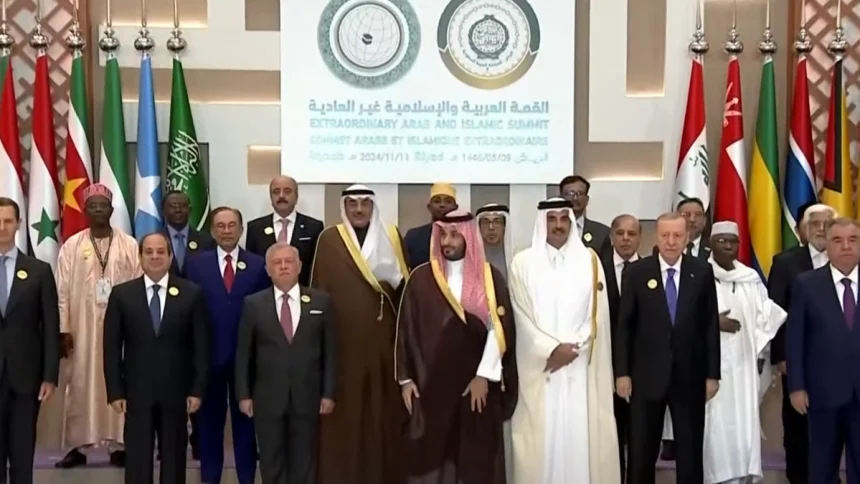
In a significant development that could reshape security dynamics in the Middle East, several Arab countries have reportedly initiated efforts to form a joint military coalition aimed at countering what they describe as increasing Israeli aggression in the region. This move comes amid escalating tensions following a series of military confrontations and heightened political rhetoric surrounding the Israeli-Palestinian conflict.
According to informed sources familiar with the ongoing diplomatic exchanges, the proposed military bloc is intended to enhance coordination and collective defense capabilities among participating Arab states. This initiative reflects a growing urgency among these countries to present a united front against perceived threats posed by Israeli military operations, especially in Palestinian territories such as Gaza and the West Bank, where recent clashes have drawn international scrutiny.
The effort to establish this alliance aligns with broader regional concerns over Israel’s expanding security measures and settlement activities, which many Arab leaders view as violations of international law and obstacles to peace. Historically, Arab nations have expressed solidarity with the Palestinian cause, but recent years have seen a fragmentation in regional alliances, particularly following normalization agreements between Israel and some Gulf states under the Abraham Accords.
Despite these political divergences, the shared objective of addressing Israeli military actions has brought several Arab capitals back to the negotiating table. Reports indicate that discussions are focusing on joint military exercises, intelligence sharing, and coordinated responses to any future escalations. Such collaboration could potentially involve countries like Egypt, Jordan, Saudi Arabia, and other Gulf Cooperation Council (GCC) members, all of whom maintain complex but strategic ties within the region.
The formation of this military bloc also reflects the broader geopolitical contest for influence in the Middle East, where rivalries between regional powers, as well as external actors, have complicated efforts to achieve lasting peace. Analysts suggest that a unified Arab military front would signal a recalibration of regional security strategies, potentially increasing pressure on Israel while reinforcing Arab states’ ability to protect their interests.
For KIIN360, this development signals a critical moment in Middle Eastern affairs.
The success or failure of this proposed alliance could have far-reaching implications, not only for the Israeli-Palestinian conflict but for the wider balance of power in a region long marked by volatility. As talks continue behind closed doors, the world watches closely to see if Arab states can overcome political divides to forge a cohesive and effective military partnership in response to rising Israeli assertiveness.