
Cocoa Drops Below $9,000 Per Ton as Nigeria Eyes Boost in Local Chocolate Production
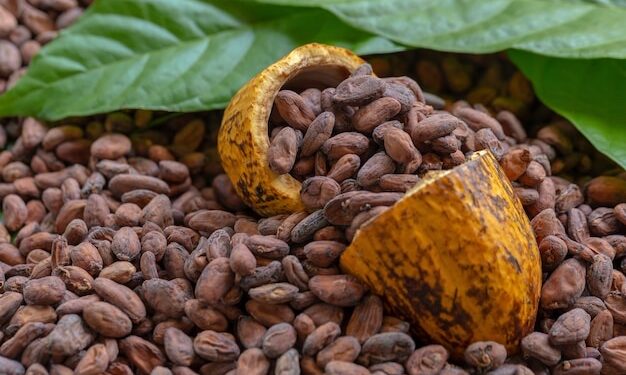
LAGOS — Global cocoa prices dipped below the $9,000 per metric ton threshold this week, following months of record-breaking surges driven by supply chain disruptions and climate-related output declines in major producing countries.
As of Tuesday, June 25, 2025, cocoa futures on the Intercontinental Exchange settled at $8,875 per ton, marking a significant retreat from the historic highs recorded earlier in the year. Analysts attribute the drop to improved short-term supply prospects and profit-taking by commodity traders.
This price adjustment comes as Nigeria intensifies efforts to ramp up local chocolate production, positioning itself to move up the value chain in the global cocoa industry. The Federal Government, through the Ministry of Agriculture and Food Security and in partnership with the Ministry of Industry, Trade, and Investment, has rolled out a multi-sector strategy aimed at processing at least 30% of locally produced cocoa into finished chocolate products by 2030.
Industry experts say this could reduce the country’s overreliance on raw cocoa exports and significantly boost domestic revenue, employment, and export diversification.
Speaking at the Cocoa Industry Stakeholders’ Roundtable in Akure on Monday, the Minister of Agriculture, Senator Abubakar Kyari, said Nigeria must shift from being just a raw material supplier to a global value-added producer.
“We are taking steps to empower local processors, attract investment in chocolate manufacturing, and create a regulatory framework that encourages consumption of Nigerian-made chocolate both at home and abroad,” he said.
Currently ranked as the world’s fourth-largest cocoa producer, Nigeria produces an estimated 280,000 metric tons annually, but processes less than 5% of that locally. The government’s new plan includes access to credit for processors, incentives for machinery importation, and skills development for young agro-industrial entrepreneurs.
Cocoa farmers, processors, and exporters have welcomed the move, though they caution that issues like infrastructure, power supply, and access to raw cocoa beans for small-scale producers must be addressed if the initiative is to succeed.
Meanwhile, traders are watching how weather conditions in West Africa—particularly Ghana and Côte d’Ivoire—will influence cocoa supply in the coming harvest season. A continued improvement in harvest prospects could keep prices stable or lead to further declines.


