Dangote Cautions Against Monopoly Allegations, Says It Threatens Investor Confidence in Nigeria

Africa’s richest man and Chairman of the Dangote Group, Alhaji Aliko Dangote, has expressed concern over rising accusations of monopoly in the petroleum sector, warning that such claims could have serious implications for investor confidence and long term economic growth in Nigeria.
Speaking against the backdrop of public discourse surrounding the dominance of his refinery in the downstream oil market, Dangote noted that persistent allegations of monopolistic control risk sending the wrong signal to both local and foreign investors. He maintained that instead of promoting fear over market dominance, stakeholders should focus on creating an environment that encourages indigenous investment and industrial development.
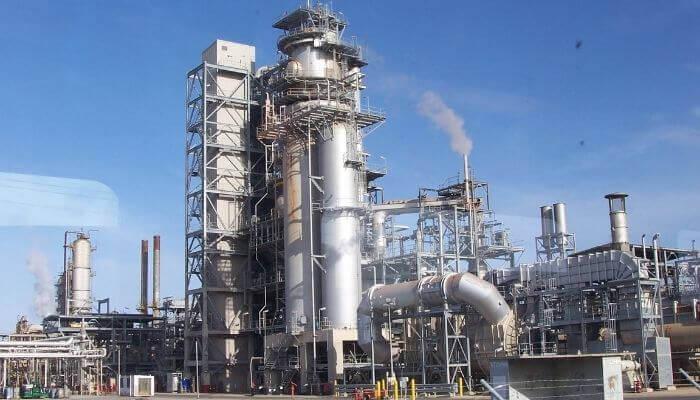
The industrialist, whose $20 billion Dangote Petroleum Refinery recently commenced phased operations, argued that building large scale projects in Nigeria often requires extraordinary resilience, massive capital, and long term commitment factors which should be celebrated rather than criticized. According to him, labeling private initiatives as monopolies without clear evidence undermines entrepreneurial efforts and discourages others from taking similar risks within critical sectors of the economy.
Dangote reiterated that the refinery was not designed to monopolize the fuel supply chain but to reduce Nigeria’s heavy reliance on imported refined products, conserve foreign exchange, and create jobs. He stressed that the project will eventually serve as a platform for competition, innovation, and improved market efficiency once fully operational and once other players are supported to grow alongside.
As the Dangote Refinery continues to integrate into the national energy landscape, the businessman called for constructive dialogue and policy clarity to ensure that investments are protected, and genuine industrial efforts are not misrepresented.
The refinery, when fully ramped up, is expected to produce over 650,000 barrels per day, making it the largest single-train refinery in the world. It is also anticipated to meet Nigeria’s domestic fuel needs and export surplus to other countries across Africa.