Dangote Refinery Now Supplies Nigeria’s Petrol Needs, Marketers Confirm End to Imports
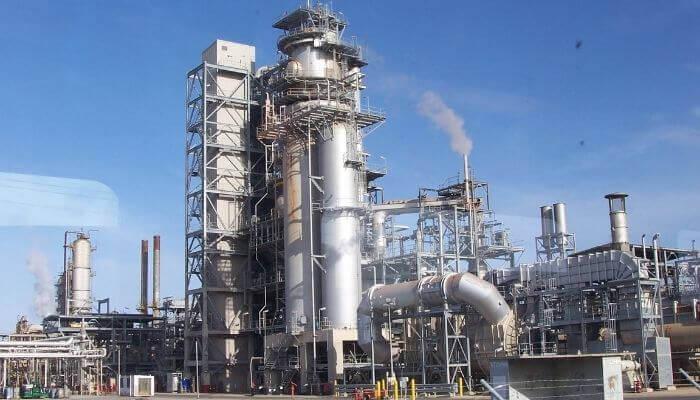
Nigeria’s long-standing dependence on imported petrol is coming to an end as the Dangote Petroleum Refinery has reached sufficient production capacity to meet local demand, according to oil marketers across the country. Industry operators say the 650,000 barrels-per-day refinery, located in the Lekki Free Zone, is now supplying enough Premium Motor Spirit (PMS) to cover domestic consumption, marking a major shift in Nigeria’s downstream oil sector.
Oil marketing associations have disclosed that with the steady rollout of refined petrol from the Dangote facility, the need for importing PMS has significantly reduced and, in many cases, has been completely stopped. They noted that the refinery’s growing output has stabilized supply chains that were previously disrupted by foreign exchange constraints, shipping delays, and global price volatility. Nigeria, despite being Africa’s largest crude oil producer, had for decades relied heavily on imported refined petroleum products due to limited local refining capacity.
Market data indicate that Nigeria’s daily petrol consumption averages between 45 and 50 million litres, a volume marketers say the Dangote Refinery is now positioned to handle alongside existing local refineries as they gradually come on stream. The refinery began phased production in 2024, initially focusing on diesel and aviation fuel before expanding into petrol, with distribution now reaching major depots nationwide.
Marketers also highlighted the economic implications of the development, pointing to reduced pressure on the naira, savings in foreign exchange previously spent on imports, and improved energy security. They added that locally refined petrol allows for more predictable pricing, as costs are less exposed to international freight charges and currency fluctuations.
The Federal Government has repeatedly stated that boosting local refining is central to its energy and economic reforms, particularly following the removal of fuel subsidies. Analysts believe the full integration of Dangote Refinery’s output into the domestic market could reshape Nigeria’s oil industry, enhance competition, and gradually improve supply consistency for consumers.
While stakeholders acknowledge that logistical challenges and distribution efficiency will continue to play a role in pricing and availability, oil marketers agree that the refinery’s ability to meet local petrol demand represents a historic milestone for Nigeria’s oil and gas sector and a decisive step away from fuel import dependence.