
Diaspora Organization Appeals to President Tinubu Over Concerns Surrounding Coastal Highway Project
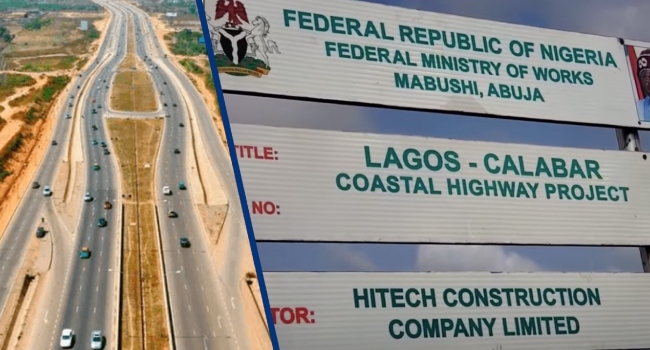
A group of Nigerians in the diaspora has appealed to President Bola Ahmed Tinubu to intervene in the ongoing concerns surrounding the Federal Government’s Lagos Calabar Coastal Highway project, urging a more inclusive approach that protects local communities, heritage sites, and the environment.
The group, operating under the banner of the Diaspora Nigerians for Good Governance, expressed its concerns in an open letter addressed to the Presidency, highlighting what it described as the “growing unease” among citizens at home and abroad over certain aspects of the multi-billion-naira infrastructure project. While acknowledging the potential economic and social benefits of the highway, the group urged the government to ensure that the project is executed transparently and with full regard for local interests.
The Lagos-Calabar Coastal Highway is a flagship infrastructure project of the current administration, designed to span over 700 kilometers from Lagos in the Southwest to Calabar in the South South, with the aim of boosting regional connectivity, tourism, trade, and access to coastal communities. However, the project has sparked debate in recent months due to concerns about displacement, compensation, and the environmental implications of the proposed route.
According to the diaspora group, there are reports suggesting that significant parts of the shoreline and long-standing communities may be affected, including properties belonging to private citizens and institutions that hold cultural or historical value. They noted that any large-scale demolition or relocation without proper engagement and adequate compensation would be a breach of trust.
The group called on President Tinubu to order a review of the environmental and social impact assessments, ensure open consultations with stakeholders, and prioritize sustainable development in line with global best practices. They also stressed the importance of transparency in procurement processes, community inclusion, and respect for the rule of law as essential elements of successful infrastructure development.
While reaffirming their support for national development efforts, the diaspora body maintained that such ambitious projects must be carried out in a manner that protects the rights and dignity of affected Nigerians. They expressed confidence that President Tinubu, given his democratic pedigree and longstanding relationship with many of the impacted regions, would listen to the voice of reason and take appropriate steps to address the grievances.
As of the time of this report, the Federal Ministry of Works is yet to officially respond to the concerns raised by the group. However, Minister David Umahi had previously assured that compensation and environmental standards would be fully observed throughout the execution of the project.


