
Environmental Advocates Raise Alarm Over Growing Threats of Industrial Farming to Ecosystem and Rural Livelihoods
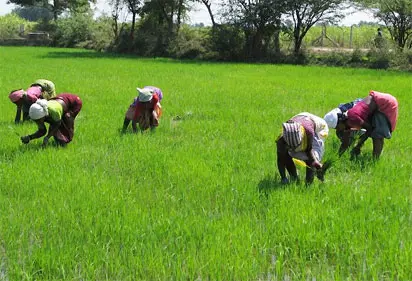
Environmental advocates have raised growing concerns over the rapid expansion of industrial farming, cautioning that the practice poses serious risks to the environment, food security, and rural livelihoods across several regions.
The activists argue that large-scale, profit-driven agricultural systems are depleting natural resources and accelerating land degradation, deforestation, and water pollution. They warn that the unchecked use of chemical fertilizers, pesticides, and intensive livestock production has contributed to soil erosion, loss of biodiversity, and increased greenhouse gas emissions that worsen the global climate crisis.
According to environmental experts, the shift from smallholder and traditional farming to industrialized models has also deepened economic inequalities, leaving many rural communities struggling to compete with corporate-backed agribusinesses. Farmers who once depended on subsistence or community-based production methods are being displaced as farmlands are converted into monocrop plantations or commercial livestock operations.
Advocacy groups are urging governments and stakeholders to promote sustainable agricultural practices that protect the ecosystem while ensuring fair income for farmers. They also emphasize the need for policies that support organic farming, soil regeneration, and the reduction of chemical dependence to maintain long-term food security.
Several international environmental organizations have called for urgent collaboration among policymakers, researchers, and local communities to address the growing ecological damage linked to industrial agriculture. They maintain that a balance must be struck between feeding the population and safeguarding the planet’s natural resources for future generations.


