
Federal Lawmakers Push for Financial Autonomy for National Bureau of Statistics, Propose New National Tax Trust Fund
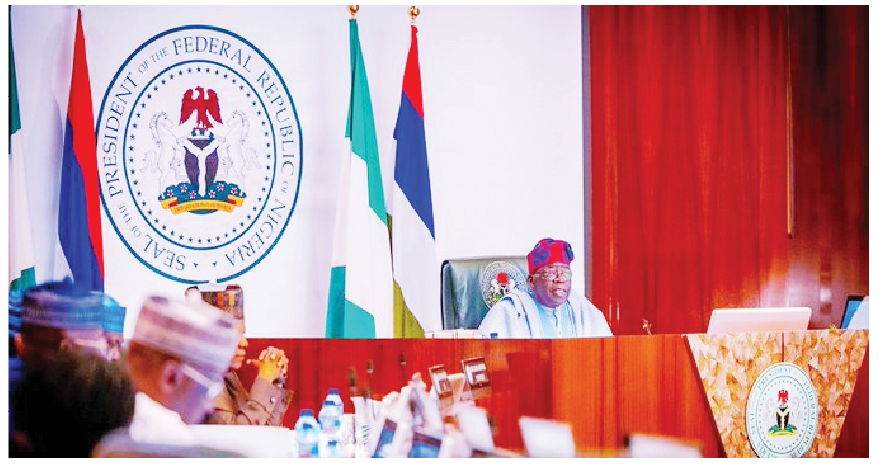
ABUJA, NIGERIA September 20, 2025 — In a legislative development aimed at strengthening Nigeria’s data governance and fiscal management frameworks, federal lawmakers are making decisive moves to grant full financial autonomy to the National Bureau of Statistics (NBS), while also laying the groundwork for the establishment of a National Tax Trust Fund.
The push for NBS independence comes amid growing recognition of the Bureau’s pivotal role in providing critical, evidence-based data for policy formulation, economic planning, and national development tracking.
Lawmakers argue that giving the NBS control over its own finances would enhance its operational efficiency, reduce bureaucratic bottlenecks, and shield the institution from political interference — particularly in the generation and dissemination of official statistics.
If passed, the proposed legal amendments would allow the NBS to manage its internally generated revenue, directly receive allocated funds, and implement research and survey projects without dependence on approval from central government ministries.
Stakeholders within and outside the National Assembly have long advocated for such reforms, insisting that statistical independence is essential for transparency, economic stability, and global investor confidence.
In a related move, the legislature is also considering the creation of a National Tax Trust Fund, designed to pool and manage tax revenues for targeted developmental purposes. According to key sponsors of the proposal, the trust fund would serve as a strategic fiscal tool to improve accountability in tax administration, enhance revenue utilisation, and ensure that collected taxes are directly channelled into critical sectors such as infrastructure, healthcare, education, and job creation.
The fund is expected to operate independently of the Federal Inland Revenue Service (FIRS) but in collaboration with relevant tax authorities. Its structure would include representation from civil society, the private sector, and government, with strict oversight mechanisms to prevent misuse.
Both legislative initiatives are still in the early stages of debate but have already attracted significant attention from policy analysts, economists, and the business community, many of whom view the dual reforms as a step in the right direction toward achieving fiscal discipline and institutional independence.
As Nigeria seeks to rebuild public trust in governance and improve its economic data credibility, the outcome of these proposals may set a new benchmark for transparency and financial integrity in the country’s public institutions.


