
FG Explains 5% Fuel Surcharge, Says It’s Not a New Tax – It’s Been Law Since 2007
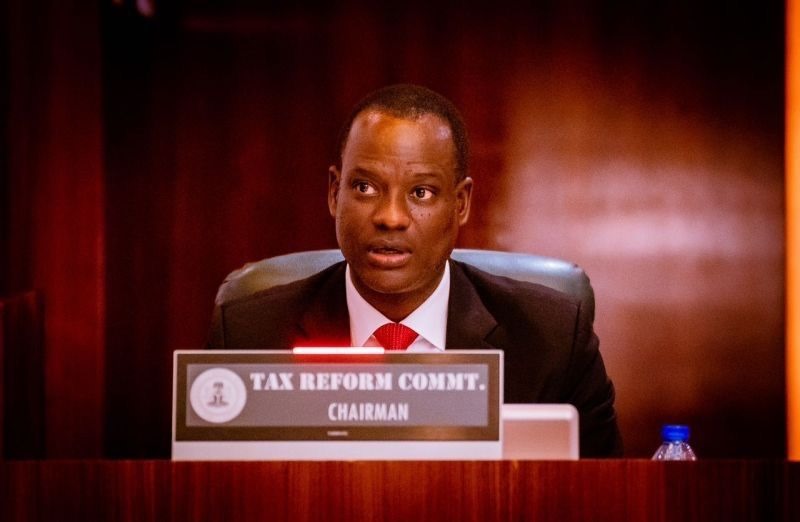
In a statement that sought to calm frayed nerves across the nation, the Federal Government insisted this week that the much‑talked‑about five‑percent fuel surcharge is not a new levy on Nigerians but a measure already enshrined in law since 2007 under the Federal Roads Maintenance Agency (FERMA) Act. The presidential committee on fiscal policy, led by Taiwo Oyedele, clarified that the surcharge was merely restated in the new Nigeria Tax Administration Act for clarity and legal harmony, not for immediate collection
Oyedele further explained that the surcharge will only take effect when the Minister of Finance issues a gazetted order, meaning January 1, 2026, remains the starting point for the new tax laws as a whole, but this specific surcharge remains dormant until activated through that formal process
Economi Confidential
The government projects that, once implemented, the surcharge could generate approximately ₦796 billion annually from petrol alone, based on 2024 consumption of 18.75 billion litres at an average price of ₦850 per litre, figures drawn from the Nigerian Midstream and Downstream Petroleum Regulatory Authority (NMDPRA)
Oyedele emphasised that the surcharge is earmarked for transport infrastructure, aiming to reduce logistics costs, shrink travel times, and ultimately ease inflationary pressure, benefits that, in theory, would cushion the everyday Nigerian
Yet such assurances haven’t quelled all concerns. Civil society organisations, transport unions, and industry stakeholders continue to argue that this surcharge, if enforced, would merely escalate hardship amid an already battered economy. The Independent Petroleum Marketers Association of Nigeria (IPMAN) cautioned that marketers can’t absorb additional costs, meaning motorists will shoulder the burden. Opposition leaders and groups like PETROAN, ADC, and others have put the policy under the spotlight as both economically insensitive and potentially destabilising in an election‑year context
ActionAid Nigeria added its voice, warning that, unless robust accountability structures are in place, the surcharge could slip into mismanagement, recalling bitter memories of past programs like the Petroleum Trust Fund. They further argued that excluding clean energy products such as kerosene, LPG, and CNG from the surcharge doesn’t reflect the lived reality of Nigerians, who remain heavily reliant on petrol and diesel due to lacklustre access to alternatives


