
FG Sets Sights on Strengthening Chemical, Waste Management Frameworks
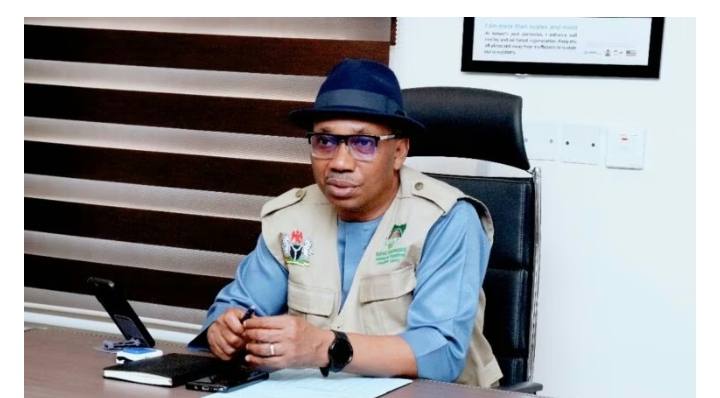
The Federal Government has restated its resolve to overhaul Nigeria’s chemical and waste management systems in a bid to tackle mounting environmental hazards and align with global best practices. This commitment was reaffirmed during the inception workshop for a three-year United Nations Environment Programme (UNEP) special project held in Abuja on Wednesday.
The project, which is being implemented by the National Environmental Standards and Regulations Enforcement Agency (NESREA) in collaboration with UNEP, is designed to strengthen Nigeria’s national infrastructure and human capital for the sound management of chemicals and waste. With Nigeria’s rapid industrial growth contributing to increasing volumes of hazardous materials, the initiative aims to build a robust system capable of addressing the environmental and public health threats posed by unsafe chemical handling and poor waste disposal practices.
Speaking at the workshop, the Director-General of NESREA, Professor Innocent Barikor, whose address was delivered by the agency’s Director of Inspection and Enforcement, Dr Christopher Beka, underscored the urgency of the intervention. He noted that Nigeria is grappling with a wide array of challenges ranging from industrial effluents and electronic waste to the proliferation of expired chemicals. These, he said, pose serious threats to ecological balance, public health, and economic sustainability.
He described the UNEP-backed initiative as a deliberate and proactive step towards creating a resilient, nationally coordinated structure for the safe use, tracking, and disposal of chemicals across the country. According to Barikor, the project is anchored on international frameworks such as the Basel, Rotterdam, and Stockholm Conventions, the Minamata Convention on Mercury, and the recently adopted Global Framework for the Sound Management of Chemicals.
He explained that beyond developing new national regulations, the programme will automate chemical tracking systems, upgrade environmental laboratories, and introduce Nigerian Industrial Standards for chemical safety. The project also aims to empower regulatory agencies and foster collaboration between government, industry players, and civil society groups. A key component, he added, is gender mainstreaming—ensuring that women and vulnerable groups are actively considered in environmental policy development and implementation.
“This workshop marks the beginning of turning commitments into practical actions. It is not just a project for NESREA or UNEP. It is a national necessity,” Barikor stated. “Through legislative reform, capacity building, and institutional strengthening, we are setting the stage for a safer and healthier Nigeria.”
In his goodwill message, the Deputy Vice-Chancellor of the University of Lagos, Professor Lucian Chukwu, praised the project as timely, noting that while Nigeria has rolled out several waste management frameworks in the past, implementation has often been hindered by institutional fragmentation and poor inter-agency coordination. He expressed optimism that the UNEP-supported programme would harmonise these efforts, offering a platform to adapt global models to local realities.
Chukwu also stressed the importance of building human capital through training and knowledge dissemination. He revealed that the project plans to adopt a train-the-trainer approach, equipping professionals who will, in turn, educate others within various institutions across the country.
Dr Christopher Beka, in his technical submission, explained that the effective management of chemicals requires comprehensive oversight throughout the entire lifecycle—from production or importation to final disposal. He warned against regulatory gaps that allow producers and importers to act arbitrarily, cautioning that such lapses could lead to serious public health emergencies.
Beka called for synergy among regulatory bodies and greater alignment with international best practices, citing examples from developed countries and peer African nations that have achieved significant milestones in chemical and waste management.
As the project sets into motion, stakeholders across sectors have been urged to collaborate, bringing their expertise and commitment to bear in realising a sustainable environmental management framework. The initiative is expected to catalyse policy reform, improve regulatory compliance, and ultimately safeguard Nigeria’s ecosystems and future generations from the dangers of hazardous chemicals and unmanaged waste.


