Food Waste Crisis: Nigeria Loses Half of Its Produce While Millions Face Hunger
July 7, 2025
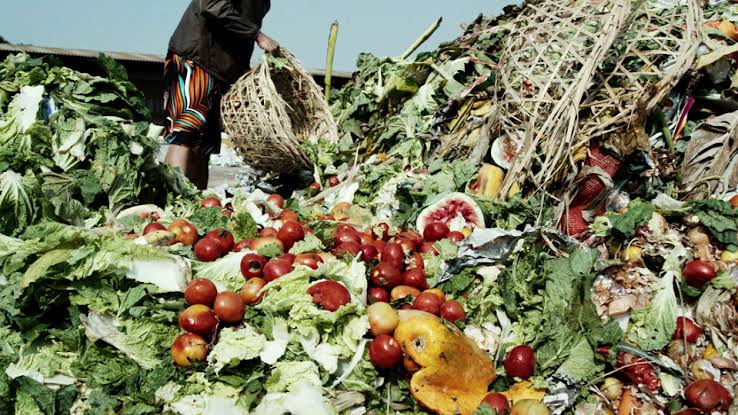
In a troubling paradox, Nigeria is losing nearly half of its fresh farm produce annually—worth over ₦3.5 trillion ($2.4 billion)—to post-harvest wastage, even as millions of citizens grapple with food insecurity and rising hunger levels.
Agricultural experts and food security advocates have raised the alarm over what they describe as a “systemic failure” in Nigeria’s food supply chain, driven largely by inadequate storage infrastructure, poor electricity supply, and inefficient transportation networks.
According to data from the Nigerian Stored Products Research Institute (NSPRI) and other industry stakeholders, perishable goods like fruits, vegetables, and tubers often rot before reaching consumers, especially in rural-to-urban transit.
“This is not just an agricultural issue; it’s an economic and humanitarian crisis,” said Dr. Jumoke Adebayo, an agro-economist based in Ibadan. “We are throwing away food that could feed millions, while inflation and poverty are pushing more Nigerians below the hunger line.”
The food waste problem is further compounded by unreliable power supply, which limits cold storage options, and the absence of modern preservation technology across local markets. Farmers often suffer significant losses, with no means to preserve surplus yields or access competitive markets.
Analysts are calling for urgent policy interventions, including investments in rural electrification, agro-processing centres, and cold-chain logistics to minimise spoilage. They also urged the Federal Government to prioritise post-harvest management in its agricultural development agenda.
With food inflation soaring and malnutrition rates on the rise, stakeholders warn that without decisive action, the country’s food security and economic stability could face deeper threats in the near future.