Fuel Subsidy Removal: Tough Sacrifice, Necessary Reform — Tinubu’s Balancing Act
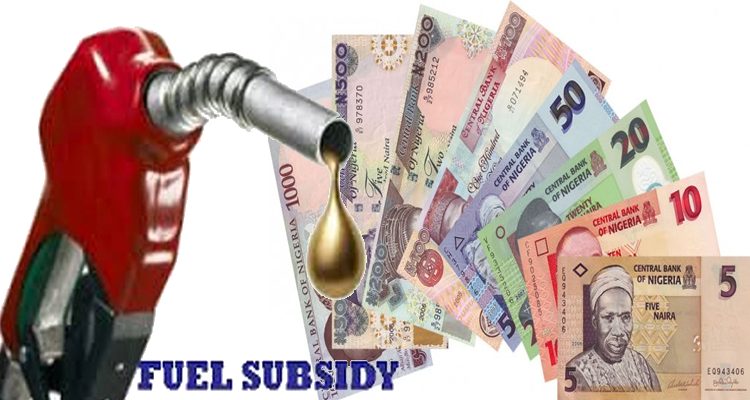
President Bola Ahmed Tinubu has reiterated that the removal of Nigeria’s decades-old fuel subsidy was one of the toughest decisions of his administration, but also one of the most necessary to secure the country’s economic survival. Speaking during his Independence Day broadcast to mark Nigeria’s 65th anniversary, the President described the policy as a painful but critical step toward redirecting national wealth to the benefit of ordinary citizens.
Tinubu argued that the subsidy regime, alongside multiple foreign exchange rates, had entrenched a system where a small elite captured state resources while the wider population received little benefit. “We could no longer afford to mortgage the future of our people to sustain a corrupt and unsustainable scheme,” he said. “By ending subsidies, we have saved trillions of Naira which are now being channeled into education, healthcare, agriculture, and critical infrastructure.” He further stressed that subsidy removal was not about short-term comfort but about building a lasting foundation for economic growth.
Government officials have supported the President’s reasoning. The Minister of Finance, Wale Edun, recently noted that subsidy payments consumed vast amounts of public funds annually, crowding out investment in social programmes. “What the government has done is to end fiscal leakage and redirect scarce resources into areas that can generate inclusive growth,” Edun explained. Similarly, the Central Bank Governor, Olayemi Cardoso, remarked that subsidy removal was helping to stabilize Nigeria’s macroeconomic outlook, a precondition for restoring investor confidence.
Nonetheless, the immediate effects of the policy have been severe. The cost of transportation has doubled in many urban areas, while inflationary pressure has driven up the price of food and essential goods. According to the Nigeria Labour Congress, the reforms, though well-intentioned, have disproportionately burdened low-income households. “The government was quick to remove subsidies but slow to roll out adequate palliatives,” NLC President Joe Ajaero said, urging a more deliberate cushioning of the blow on workers and the poor.
Economic experts remain divided. The Nigerian Economic Summit Group (NESG) described the reform as “painful but economically rational,” arguing that subsidy removal, if paired with sound social investments, could unlock growth and reduce fiscal deficits. Yet, university economists warn that without faster policy interventions, rising poverty and social discontent could undermine the very benefits the government seeks to achieve.
The debate over fuel subsidy removal underscores the broader dilemma of fiscal reform in a fragile economy. For Tinubu’s administration, the challenge lies not only in defending the necessity of the policy but also in ensuring that its promised dividends materialize quickly enough to justify the hardship it has imposed. As Nigeria looks ahead, the subsidy question will remain central to both the government’s credibility and the public’s patience with reform.