Gender-Responsive Social Protection: A Vital Component for Achieving Equality
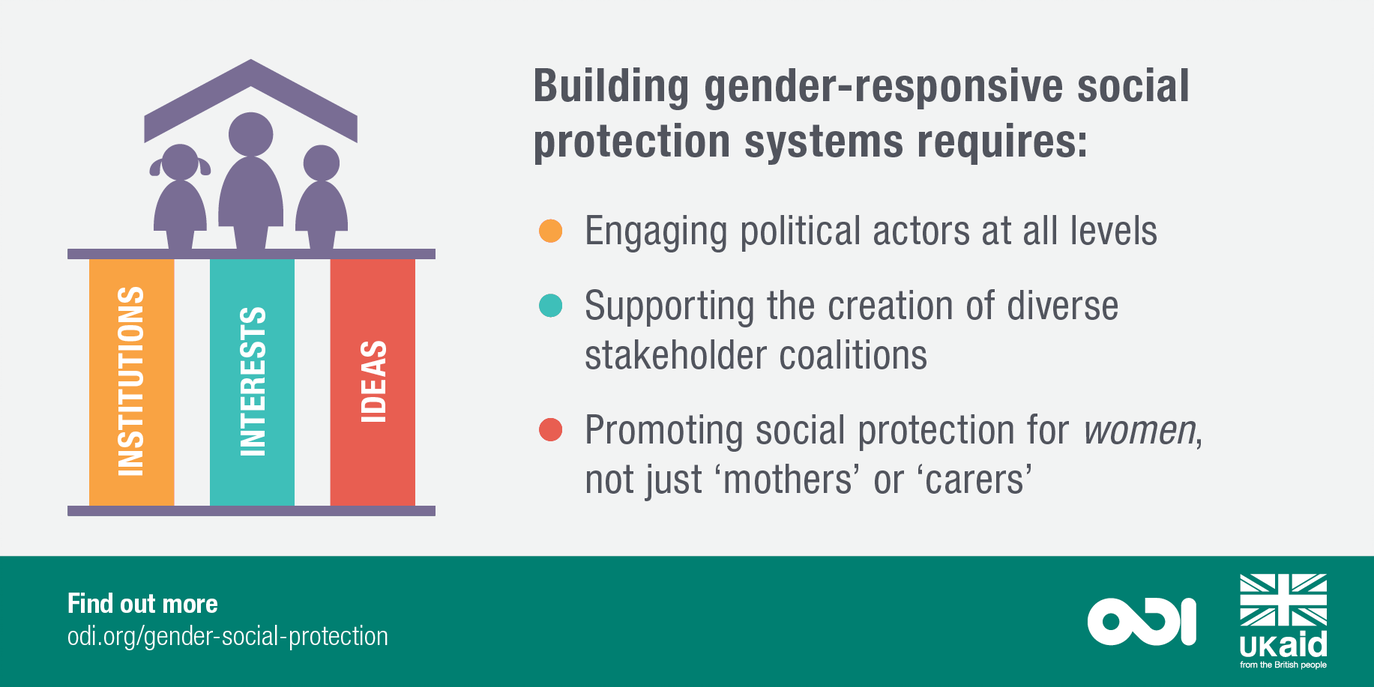
Gender-responsive social protection is crucial for addressing the unique challenges faced by women and girls, particularly in reducing poverty and enhancing gender equality. Social protection systems, when designed to be gender-responsive, can effectively address the specific needs and vulnerabilities of women across their life cycle, thereby promoting more equitable outcomes in health, education, and economic security.
Challenges Faced by Women
Women often experience less coverage under social protection systems due to factors such as lower participation in the formal labor market, higher rates of informal employment, and greater responsibilities for unpaid care work. Gender-neutral designs of social protection policies typically overlook these gender-specific challenges, leaving women more vulnerable to economic shocks and stressors.
Benefits of Gender-Responsive Social Protection
Reduces Gender Inequality: By acknowledging and addressing gender-specific needs, social protection can help reduce inequalities in access to services like healthcare and education.
Enhances Economic Autonomy: Gender-responsive measures, such as cash transfers and public works programs, can boost women’s financial autonomy and social status.
Supports Rural Development: In agrifood systems, well-designed social protection can improve food security and reduce undernutrition among rural women and girls.
Implementing Gender-Responsive Social Protection
To ensure effectiveness, social protection policies must be designed with a clear understanding of the specific risks and constraints faced by women. This includes integrating gender considerations into policy frameworks and monitoring systems. The Gender-Responsive, Age-Sensitive Social Protection (GRASSP) framework, developed by UNICEF, is a model for achieving this.
Conclusion
Gender-responsive social protection is vital for achieving gender equality and realizing the Sustainable Development Goals (SDGs), particularly SDG 5 on gender equity. By addressing the unique vulnerabilities of women and girls, these systems can play a transformative role in reducing poverty and enhancing economic opportunities for all