
Health
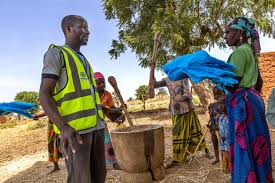
Millions at Risk: US Aid Cuts Could Worsen Africa’s Malaria Crisis.
Washington, D.C Health experts are raising alarms as proposed U.S. aid cuts threaten Africa’s battle against malaria, a disease that claims hundreds of thousands of lives each year. With lifesaving programs at risk, millions of people—especially children—could lose access to vital treatment and prevention tools, reversing decades of progress.
Millions at Risk: US Aid Cuts Could Worsen Africa’s Malaria Crisis.
Lifesaving Funding in Jeopardy
For years, the U.S. government has been a major contributor to Africa’s malaria fight through initiatives like the President’s Malaria Initiative (PMI) and the Global Fund to Fight AIDS, Tuberculosis, and Malaria. These programs provide essential resources, including insecticide-treated mosquito nets, rapid diagnostic tests, and life-saving antimalarial drugs.
However, recent budget proposals suggest drastic cuts to these programs, sparking fears that millions could be left vulnerable to the deadly disease. Given that Africa accounts for 95% of global malaria cases and deaths, experts warn that even a temporary funding gap could trigger a health crisis.
Experts Sound the Alarm
Global health organizations and researchers warn that slashing malaria funding now would undo years of hard-earned progress.
“If these cuts move forward, we will see a sharp increase in malaria cases and deaths,” said Dr. Jane Okello, a leading global health expert. “This would be an unimaginable setback.”
The Malaria Consortium, an international health advocacy group, has also urged policymakers to reconsider. “Investing in malaria prevention saves lives and strengthens economies. Cutting funding now would be catastrophic,” the organization stated in a recent report.
How African Communities Will Be Affected
Many African countries already face severe challenges in controlling malaria due to drug resistance, climate change, and weak healthcare infrastructure. Without sustained international support, rural areas—where malaria transmission is highest—may experience severe shortages of protective measures.
In addition, promising malaria vaccine trials are underway, and health officials fear that financial constraints could delay mass vaccination campaigns, which are crucial to long-term malaria eradication.
Calls for Urgent Action
With pressure mounting, U.S. lawmakers and global health advocates are urging President Biden’s administration to rethink the proposed aid cuts.
“The fight against malaria is one of the greatest public health victories of our time,” said Senator Mark Reynolds, a leading advocate for global health funding. “Cutting these programs would not only cost lives but also weaken economies and stability in vulnerable regions.”
What’s Next?
As Congress debates the future of foreign aid, African leaders and international health organizations are scrambling to find alternative funding sources, including increased domestic investments and partnerships with private donors. However, many agree that continued U.S. support is crucial for sustaining progress.
In the coming weeks, key budget discussions will determine the fate of malaria programs. Until then, health advocates are intensifying their efforts to ensure that critical malaria prevention initiatives remain funded and operational.


