IMF Cautions Nigeria Over Rising Debt Levels and Oil Revenue Vulnerabilities
The International Monetary Fund (IMF) has issued a caution to Nigeria regarding its growing public debt and declining oil revenue capacity, warning that both factors could pose significant risks to the nation’s fiscal stability if not properly managed. The Fund’s latest assessment highlights the urgent need for the Federal Government to strengthen revenue mobilization, reduce dependence on oil exports, and prioritize transparent fiscal management.
According to the IMF, Nigeria’s debt profile has expanded considerably over the past few years, driven by high borrowing costs, subsidy pressures, and a narrowing fiscal space. The institution noted that while recent economic reforms including fuel subsidy removal and exchange rate adjustments are steps in the right direction, sustained policy consistency and accountability will be crucial to achieving long term macroeconomic balance.
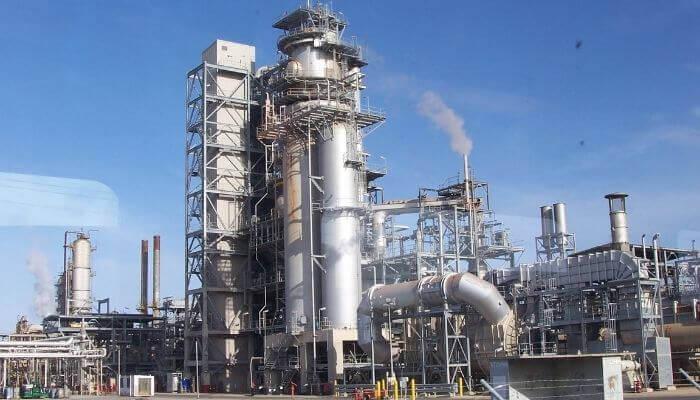
The report also underscored the volatility of global oil prices as a continuing threat to Nigeria’s earnings, given that petroleum still accounts for a large portion of government revenue and foreign exchange inflows. The IMF urged Nigerian authorities to accelerate diversification efforts in non oil sectors such as manufacturing, agriculture, and technology to strengthen resilience against future shocks.
Furthermore, the Fund advised the government to enhance tax collection mechanisms, improve public financial management systems, and ensure that borrowed funds are directed toward productive investments capable of stimulating growth and job creation.
Economic analysts believe the IMF’s warning serves as a timely reminder for Nigeria to adopt more disciplined fiscal strategies. They noted that without structural reforms and stronger revenue frameworks, rising debt obligations could undermine the country’s economic progress and limit its ability to deliver essential public services.