
Imported Petrol Landing Cost Falls to ₦829 per Litre Despite 15% Tariff
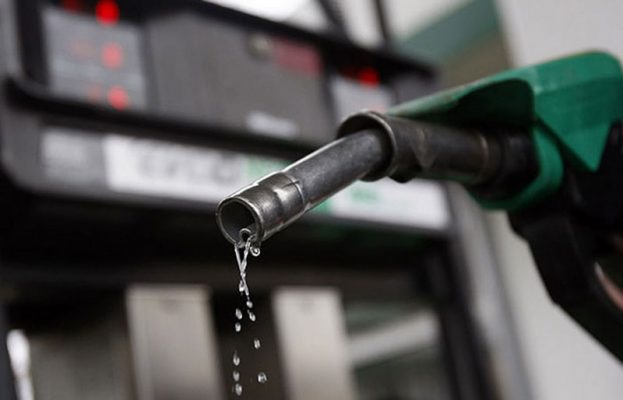
The landing cost of imported petrol has reportedly dropped to ₦829 per litre, even with the recently proposed 15 percent import tariff. Market analysts attribute the decline to a combination of moderate global oil prices and a slight improvement in the exchange rate, which have helped ease importation expenses for oil marketers.
Data from industry sources indicate that the new landing cost reflects ongoing market adjustments as the federal government moves to implement fiscal reforms in the downstream petroleum sector. The reduction is seen as a potential relief for importers, who have been grappling with rising logistics costs, exchange rate volatility, and fluctuating international crude prices.
Energy experts, however, caution that while the decline in landing cost is encouraging, it may not immediately translate to lower pump prices. They explained that other cost components, such as distribution margins, depot charges, transportation, and taxes, still influence the final retail price of petrol across different regions of the country.
The development comes amid renewed debate over the Federal Government’s plan to impose a 15 percent duty on imported petroleum products, a move intended to encourage local refining and strengthen Nigeria’s balance of payments. Some stakeholders argue that the policy, if properly managed, could stimulate domestic production and reduce the country’s heavy reliance on imported fuel.
Meanwhile, economic observers maintain that the full impact of the new tariff regime and landing cost adjustments will depend on how quickly local refineries, including the Dangote Refinery and rehabilitated NNPC facilities, begin full-scale operations. The federal government has continued to assure Nigerians that ongoing energy reforms are aimed at achieving long-term price stability and self-sufficiency in fuel supply.


