India Celebrates Historic Spaceflight as First Astronaut in 41 Years Blasts Off
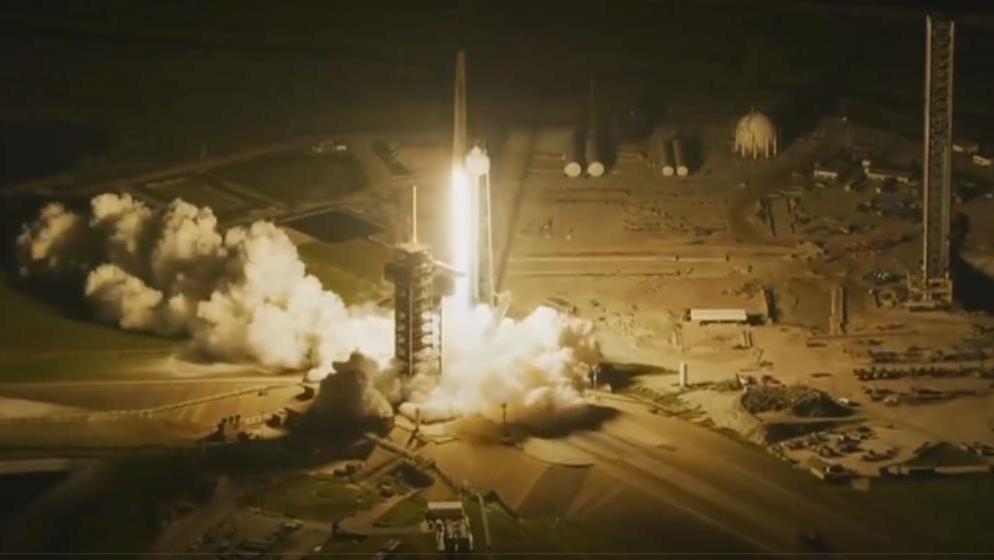
NEW DELHI — Jubilation swept across India on Wednesday, June 26, 2025, as the nation successfully launched its first astronaut into space in over four decades, marking a significant milestone in the country’s space exploration ambitions.
The astronaut, Wing Commander Prashanth Nair, was launched aboard the Gaganyaan-1 mission, India’s first human spaceflight since the country’s inaugural astronaut, Rakesh Sharma, flew aboard a Soviet Soyuz spacecraft in 1984.
The mission, conducted by the Indian Space Research Organisation (ISRO) in partnership with India’s defence and aviation sectors, saw the Gaganyaan spacecraft lift off from the Satish Dhawan Space Centre in Sriharikota at exactly 9:14 a.m. IST, drawing applause from dignitaries, scientists, and citizens across the country.
Prime Minister Narendra Modi hailed the event as “a defining moment for India’s space journey,” calling the astronaut a symbol of national pride and technological advancement. “India is no longer just watching space achievements; we are leading them. This is a tribute to our engineers, scientists, and all Indians dreaming big,” Modi said in a televised address.
The Gaganyaan mission is designed to send Indian astronauts, known as Vyomanauts, into low Earth orbit for several days. Today’s launch, though suborbital and crewed by a single astronaut, is a critical step toward India’s long-term goal of establishing independent human spaceflight capability.
According to ISRO Chairman Dr. S. Somanath, the spacecraft achieved stable altitude and all mission parameters were nominal. He confirmed that Commander Nair is in good condition and maintaining communication with mission control.
The successful flight comes after years of technical planning, unmanned test flights, and collaboration with international space agencies. The mission also carries biomedical instruments and AI monitoring systems to assess the astronaut’s vitals and spacecraft environment in real time.
Across the country, celebrations broke out in schools, science institutes, and public spaces, where citizens watched the historic event live. Many waved national flags and chanted patriotic songs as the rocket pierced the sky.
India now joins an elite group of countries — including the United States, Russia, and China — with demonstrated capability to independently send humans into space.
The Gaganyaan-1 success is expected to pave the way for future missions, including a full orbital flight with a three-member crew projected for 2026, and potentially a lunar mission in the coming decade.