Iran Halts Cooperation with UN Nuclear Watchdog Amid Escalating Tensions with US and Israel
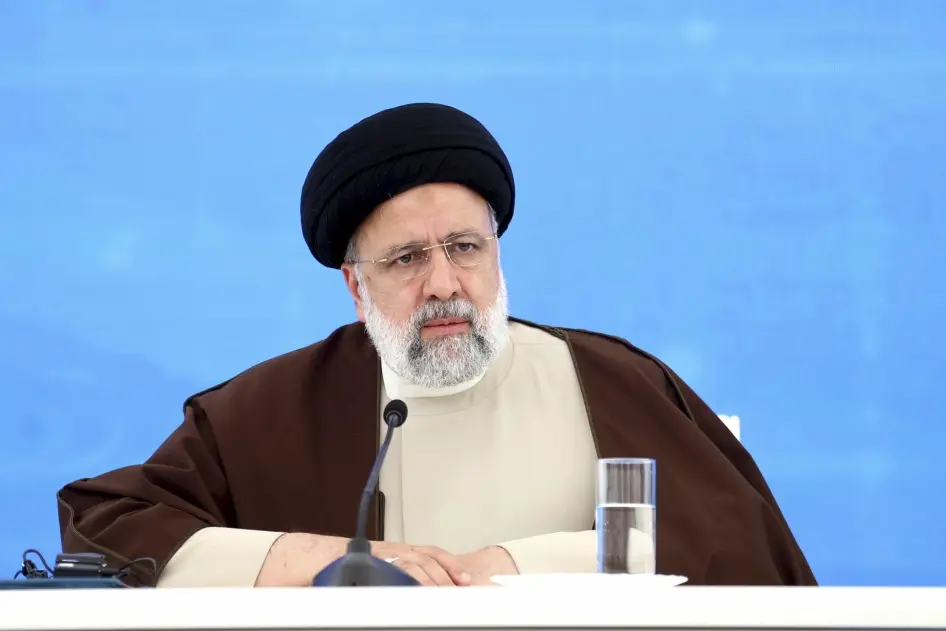
Iran’s president, Masoud Pezeshkian, has today declared a suspension of his country’s cooperation with the International Atomic Energy Agency (IAEA), following on from intensified strikes by the United States and Israel on Iran’s nuclear infrastructure. The announcement comes after a 12‑day military confrontation that saw Iran accuse foreign powers of targeting its nuclear sites, including the Fordow facility.
In a move echoing recent parliamentary and Guardian Council decrees, President Pezeshkian said Iran would not permit IAEA inspectors access to its sites unless there are firm guarantees for the safety of its nuclear scientists and facilities. The vote in the Majlis was nearly unanimous—221 MPs in support with only a single abstention—underscoring a rare show of political unity
Iranian lawmakers publicly attacked the IAEA’s credibility, charging the agency with failing to condemn what Tehran deems unjust foreign attacks and even using its technical reports to facilitate espionage and military precision strikes
Parliament Speaker Mohammad Bagher Ghalibaf thundered that the watchdog had “put its international credibility up for auction,” and pledged that Iran’s peaceful nuclear programme would now proceed at a faster pace
The new law, endorsed by the Guardian Council on June 26, stipulates that cooperation with the IAEA will remain suspended until Tehran receives guarantees safeguarding national sovereignty, territorial integrity, the safety of its nuclear personnel, and its right to uranium enrichment under the Non‑Proliferation Treaty
President Pezeshkian has, however, clarified that this suspension stops short of exiting the Nuclear Non-Proliferation Treaty, but opens the door for Tehran to ramp up uranium enrichment, reportedly at levels approaching 60 per cent—close to weapons-grade concentration
Iranian Foreign Minister Abbas Araghchi has indicated that diplomatic channels remain open, albeit distant, suggesting that future engagement with the U.S. could be rekindled—provided Tehran’s security demands are met
Meanwhile, satellite imagery reveals repair efforts at Fordow, where heavy machinery is visible, as Iran evaluates the damage from last week’s strikes
The IAEA has yet to formally react, but its director‑general Rafael Grossi has emphasised that restoring inspector access to assess uranium stockpiles is now the agency’s top priority
This bold step further raises stakes in Tehran’s tense relations with the international community. Global powers are now watching closely to see whether Iran will hold firm or negotiate the safety assurances it demands.