
Kerosene, LPG, and CNG Excluded from 5% Fuel Surcharge – Presidential Tax Committee Clarifies
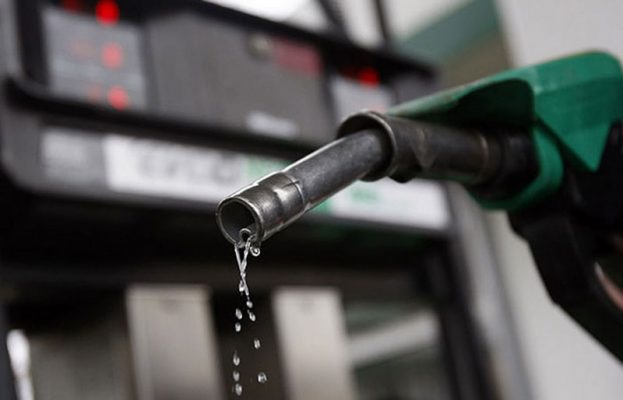
The Presidential Tax Policy Committee has announced that kerosene, liquefied petroleum gas (LPG), and compressed natural gas (CNG) will be exempt from the recently introduced 5% fuel surcharge, offering some relief to consumers and stakeholders in Nigeria’s energy sector.
In a statement released on Monday, the Committee clarified that the surcharge, aimed at generating additional revenue for the government amid tightening fiscal constraints, will apply only to certain petroleum products—excluding these alternative fuels which are widely used in households and industries across the country.
This decision was welcomed by industry players and consumer advocacy groups, who had raised concerns about the potential impact of the surcharge on vulnerable populations, particularly low-income households that rely heavily on kerosene for cooking and lighting, as well as businesses that use LPG and CNG as cleaner and more efficient energy sources.
The 5% fuel surcharge, announced earlier this year as part of the government’s broader tax reform agenda, is intended to help bridge budget deficits and support infrastructural development. However, its implementation has been met with criticism from various quarters, citing the risk of increasing the cost of living and fueling inflationary pressures.
By exempting kerosene, LPG, and CNG, the government aims to balance revenue generation with social welfare considerations, especially as Nigeria continues to push for wider adoption of cleaner fuels in line with environmental sustainability goals.
The Committee further assured the public that all relevant stakeholders, including fuel marketers, regulators, and tax authorities, will be engaged to ensure smooth implementation of the surcharge and prevent any undue burden on consumers.
Experts note that while the exemption may soften the blow for millions of Nigerians, careful monitoring is needed to avoid unintended consequences such as fuel diversion or market distortions, which could undermine the objectives of the policy.
As the government proceeds with this fiscal measure, consumers and industry operators alike are urged to stay informed and comply with the new guidelines to foster transparency and support national economic recovery efforts.


