LAGOS WASTE AUTHORITY TACKLES 1,040 TONNES DAILY TEXTILE WASTE IN AMBITIOUS RECYCLING PLAN
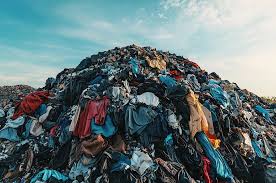
The Lagos Waste Management Authority (LAWMA) has unveiled a comprehensive strategy to address the mounting environmental challenges posed by the staggering 1,040 tonnes of textile waste generated daily across the state.
Speaking yesterday in Lagos during a statement marking the International Zero Waste Day, LAWMA Managing Director Dr. Muyiwa Gbadegesin revealed that textile waste constitutes approximately eight percent of the total 13,000 tonnes of waste produced daily in Africa’s largest metropolis.
LAWMA plans to ban textile waste from all landfills in the state, Gbadegesin announced, highlighting a radical shift in waste management policy. We will be collaborating with Tejuosho Market in Yaba to collect textile waste for transfer to recycling companies.
The initiative, which aligns with this year’s International Zero Waste Day theme Towards zero waste in fashion and textiles, represents a significant step forward in sustainable waste management practices for the bustling commercial hub.
Dr. Gbadegesin further disclosed that students at the LAWMA Academy are currently receiving specialized training to upcycle textile waste into practical products, a move designed to simultaneously promote environmental sustainability while creating valuable economic opportunities for Lagos residents.
The International Zero Waste Day reminds us of our collective responsibility to protect the environment by adopting sustainable waste management practices, the LAWMA boss emphasized, underscoring the agency’s dedication to implementing policies and programmes that support zero waste principles.
These efforts include waste sorting, recycling, and innovative waste-to-energy initiatives that aim to transform Lagos into a model for sustainable urban waste management in Africa.
However, Dr. Gbadegesin stressed that government efforts alone would not suffice without active citizen participation. For these efforts to be successful, every Lagosian must take ownership of their role in ensuring proper waste disposal and environmental responsibility, he stated.
The announcement comes amid growing global concern about the environmental impact of the fashion industry, which is considered one of the world’s most polluting sectors, responsible for significant water pollution, greenhouse gas emissions, and waste generation.
Environmental analysts have welcomed LAWMA’s initiative but emphasize that successful implementation will require substantial investment in recycling infrastructure and widespread public education on textile waste management.