Lassa Fever: Ondo, Bauchi and Three States Account for 90% of Nigeria’s Confirmed Cases
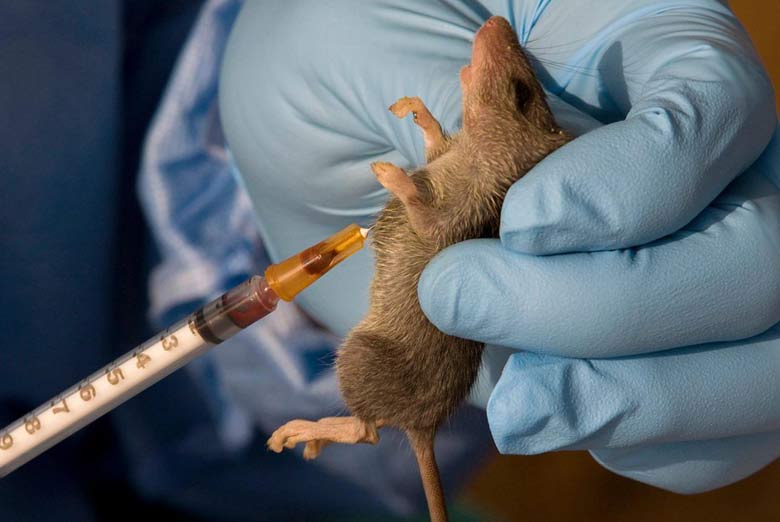
The Nigeria Centre for Disease Control and Prevention (NCDC) has reported a sharp rise in Lassa fever cases across the country, revealing that five states now account for over 90% of confirmed infections in the current season.
According to the NCDC’s week-nine epidemiological update (24 February–2 March 2025), Nigeria recorded 535 confirmed cases of Lassa fever out of 2,728 suspected, with 98 fatalities, resulting in an 18.3% case fatality rate . Five states—Ondo (31%), Bauchi (24%), Edo (17%), Taraba (16%), and Ebonyi (3%)—collectively make up approximately 91% of all confirmed cases .
Data shows that Ondo and Bauchi alone contribute over half of the national caseload, with Ondo accounting for nearly 175 cases and Bauchi close behind, confirming their status as the primary hotspots .
The outbreak spans 14 states and 78 local government areas, with Owo, Akure South, Etsako West, Kirfi, Akoko South-West, Bali, Esan North-East, Bauchi, Toro, and Jalingo LGAs representing the bulk of cases—68% of the total—indicating a deep-seated concentration in specific hotzones .
With the bulk of cases recorded in the 21–30 age bracket (median age 30) and a near-equal gender distribution (male-to-female ratio approximately 1:0.8), the NCDC has activated its multi-partner Incident Management System to reinforce response activities nationwide . Rapid Response Teams have been deployed to affected areas, utilising a One Health strategy that integrates human, animal, and environmental health interventions .
Public health advisories continue to emphasise the importance of rodent control, food storage in sealed containers, environmental sanitation, and early medical consultation for symptoms. The NCDC maintains that these preventative measures, alongside strengthened surveillance and case management, are critical to curbing further spread.
Next steps: The NCDC urges affected states to intensify community engagement, enhance infection prevention in healthcare facilities, and scale up laboratory capacities, including early deployment of antivirals such as ribavirin. Authorities remain particularly vigilant in Ondo, Bauchi, Edo, Taraba, and Ebonyi states, where the virus has exhibited the most alarming rise.