Many Nigerians Unknowingly Battling Liver Damage, LUTH Expert Warns on World Liver Day
A leading Consultant Gastroenterologist and Hepatologist at the Lagos University Teaching Hospital (LUTH), Idi-Araba, Dr. Ganiyat Oyeleke, has raised concern that a significant number of Nigerians may be living with undiagnosed liver damage due to the silent nature of the condition in its early stages.
Speaking in commemoration of World Liver Day, observed annually on April 19, Dr. Oyeleke explained that liver diseases often go unnoticed until they have reached an advanced and sometimes irreversible stage. The theme for this year’s awareness campaign, “Food is Medicine,” places emphasis on the direct link between nutrition and liver health, a message the medical expert echoed strongly.
According to Dr. Oyeleke, many people mistakenly believe that liver disease only becomes apparent when signs like jaundice—yellowing of the eyes and skin—begin to manifest. She stressed, however, that by the time such visible symptoms appear, the liver may already be severely compromised.
“The liver doesn’t scream until it’s nearly destroyed. That’s the danger. Most early-stage liver conditions are completely silent, which is why it is crucial for Nigerians, especially those with poor dietary habits or sedentary lifestyles, to go for routine liver screening. It’s not just about how you feel,” she cautioned.
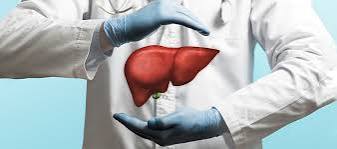
The liver, often described as the body’s chemical processing hub, performs more than 500 essential functions. These include detoxifying the blood, regulating hormones, aiding digestion through bile production, and metabolising nutrients. Damage to this vital organ can therefore have wide-ranging and devastating consequences.
Dr. Oyeleke noted that lifestyle-related liver conditions, particularly Metabolic Dysfunction-Associated Liver Disease (MASLD), previously known as non-alcoholic fatty liver disease (NAFLD), are becoming more prevalent in Nigeria. She attributed this trend to the increasing consumption of processed foods, sugary drinks, alcohol, and irregular eating patterns, especially in urban centres.
“We’re seeing a disturbing pattern—people without any prior history of hepatitis or alcohol abuse showing signs of liver inflammation or cirrhosis. The shift from traditional meals to fast food, coupled with late-night eating, is silently pushing more Nigerians into liver dysfunction,” she explained.
She advised Nigerians not to wait until they fall sick before checking their liver status, urging that everyone, regardless of how healthy they feel, should undergo at least an annual liver function test or abdominal scan to catch early warning signs before complications develop.
In addition to unhealthy diets, Dr. Oyeleke identified the rampant and unregulated use of herbal mixtures as another major contributor to liver damage. While many Nigerians perceive herbal remedies as harmless due to their “natural” label, the expert warned that such products often lack dosage guidelines and may contain harmful compounds that overwhelm the liver.
“The belief that ‘natural’ means safe is dangerous. We see patients come in with severe liver toxicity after prolonged use of these herbal concoctions. The liver bears the brunt of every substance we ingest, and once it’s overwhelmed, the damage can be extensive,” she stated.
Dr. Oyeleke called for a coordinated national effort to sensitise the public on liver health, urging the government, healthcare professionals, and civil society organisations to intensify campaigns on liver-friendly habits. These, she said, include reducing alcohol consumption, cutting down on excess sugar and salt, and embracing a diet rich in fruits, vegetables, legumes, whole grains, and healthy fats such as palm oil in moderation.
“Our food choices can heal or harm us. Liver disease is not a death sentence if caught early, but prevention is still the best cure. Nigerians need to understand that food is indeed medicine—but only when used wisely. We must begin to prioritise liver health before it’s too late,” she concluded.
World Liver Day serves as a global reminder of the need to safeguard this vital organ and adopt preventive measures against liver-related diseases, which are quietly claiming lives across the world, including Nigeria.