
Naira Devaluation Boosts Nigeria’s Economic Competition By 25-yrs – Chatham House
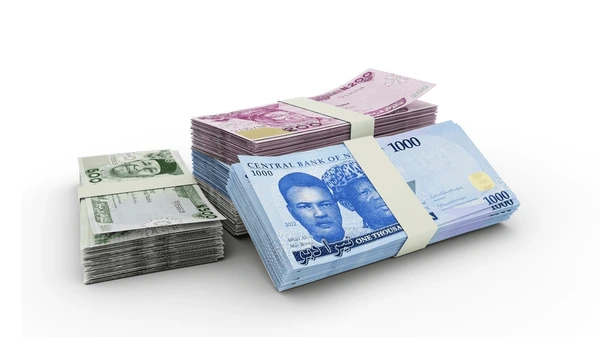
The Nigeria’s Naira flipflops in the foreign exchange market, has been described as a bold economic step that has provided competitive leverage for the country in the global economic competition.
Since the assumption of Office of President Bola Tinubu, the Naira has been devalued by more than 70 percent.
It fell from 460 to the dollar around 2023, and reluctantly dragged to little coins below 1,500 now in the current FX market.
The devaluation is seen as one of the largest currency adjustments anywhere in the world.
The decision also inflicted untold hardship on Nigerians, as the devaluation skyrocketed the prices of household commodities, making it difficult for businesses and people to barely survive.
ut in a report by the Chatham House, it claims that the Naira Devaluation was an important economic policy, which has not positioned the country for 25 years of economic opportunities.
“With the naira’s fall, Nigeria is arguably now more competitive than at any time in the past 25 years,” the Chatham House said in its report titled ‘Nigeria’s economy needs the naira to stay.”
While the naira has depreciated compared to what it was two years ago, it has improved Nigeria’s balance of payments, as data from the National Bureau of Statistics show that the country recorded over N16 trillion trade surplus in 2024, one of the highest on record.
It has brought in foreign capital which has seen the country’s reserves balloon to more than $40 billion dollars, which “are at a prudent level now, more or less equal to Nigeria’s stock of external debt, but they could usefully go to higher than this.“
The naira’s devaluation alongside the removal of fuel subsidies have also offered some breather for the Nigerian budget with the nation’s fiscal deficit narrowed from 6.4 percent of GDP in early 2023 to 4.4 per cent in early 2024.
But a cheaper dollar makes imports rise while widening trade deficits and hampering economic growth.
The path to a more capital-rich, more diverse Nigerian economy can only be built on a competitive naira,”


