Naira Gains Ground at ₦1,458 to the Dollar, Hits Strongest Level Since 2024 Amid Renewed Market Confidence
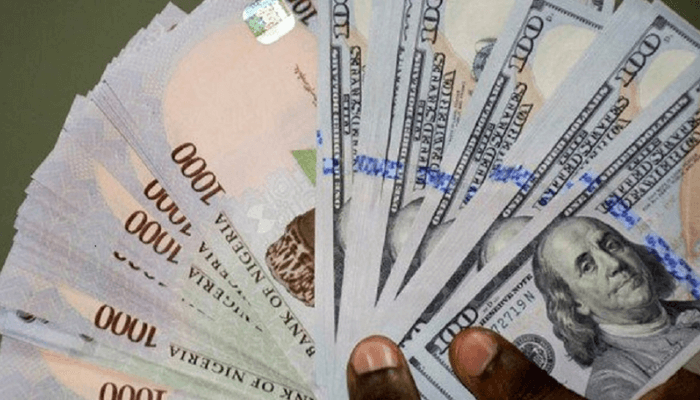
The Naira has recorded a notable appreciation against the US dollar, trading at ₦1,458/$ on the official window, its strongest exchange rate since early 2024. The development, which has stirred cautious optimism among market observers, is being seen as a reflection of improved confidence in Nigeria’s foreign exchange framework following months of instability and speculative pressures.
Official data from the Nigerian Autonomous Foreign Exchange Market (NAFEM) confirms the new exchange level, which signals what many analysts are calling a modest but meaningful turning point in the country’s currency trajectory. The gain is being attributed to a series of aggressive interventions by the Central Bank of Nigeria (CBN) aimed at restoring order in the forex ecosystem. These include stricter monetary policies, targeted liquidity support to the FX market, and firmer oversight of Bureau De Change operations.
Currency dealers in Lagos and Abuja have reported a noticeable ease in the demand for dollars, particularly for critical sectors such as education, healthcare, and legitimate business transactions. At the same time, dollar inflows largely from foreign portfolio investors and improved crude oil earnings are believed to have strengthened supply side conditions, helping the Naira claw back some of the ground it had lost over the past year.
In recent months, Nigeria’s external reserves have seen slight improvements, while efforts by the federal government to boost diaspora remittance inflows through official channels are also beginning to yield visible impact.
Financial analysts say this appreciation is the clearest sign yet that some of the foreign exchange reforms introduced in mid-2023, including the unification of exchange windows, may finally be gaining traction.
However, while the current rate of ₦1,458 to the dollar offers relief to businesses and individuals battered by months of depreciation, economic experts have cautioned against premature celebration. Nigeria’s inflation rate remains stubbornly above 20%, and real sector productivity continues to lag, meaning the currency remains vulnerable to external shocks unless backed by sustained policy execution and structural reforms.
Importers, who were among the hardest hit by the previous volatility, have welcomed the development, expressing hope that a more stable exchange environment could help reduce costs and improve pricing stability. The same sentiment is echoed by families with children schooling abroad and small business owners who depend on FX for procurement.
Going forward, economists argue that the path to lasting exchange rate stability lies in maintaining transparency in FX transactions, fostering local industrial output, and reinforcing investor confidence through consistent, data driven policies. Rebuilding trust in Nigeria’s monetary system, they say, will be key to attracting long-term capital and reducing pressure on the Naira.
For now, the rebound to ₦1,458 per dollar represents a welcome shift in direction. After a prolonged period of volatility and uncertainty in 2023 and the early part of 2024, the Naira’s recent strength may well be the first sign of a market slowly regaining its footing if the right conditions are sustained.