Naira Weakens Further to ₦1,537/$ at Official Market Amid FX Liquidity Strain
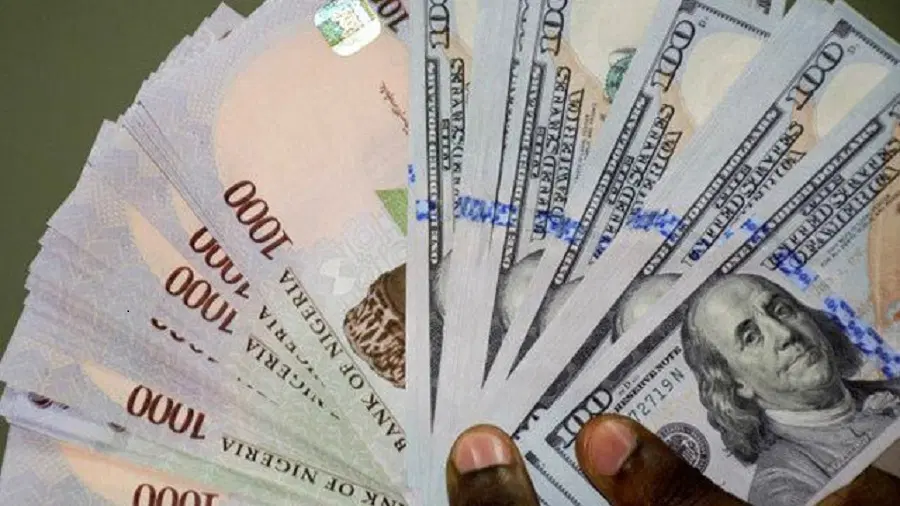
ABUJA, July 24, 2025
The Nigerian naira continued its downward slide on Wednesday, depreciating to ₦1,537 per US dollar at the official Nigerian Autonomous Foreign Exchange Market (NAFEM), as foreign exchange pressures persist despite recent monetary tightening by the Central Bank of Nigeria (CBN).
According to data from the FMDQ Exchange, the local currency lost further value from the ₦1,520/$ recorded earlier this week, reflecting rising demand for dollars amid constrained supply. This marks one of the lowest exchange rates recorded since the CBN adopted a market-driven FX regime.
Traders and analysts have attributed the depreciation to continued scarcity of foreign currency inflows, driven by tepid foreign investment and limited oil receipts. In addition, demand pressure from manufacturers, importers, and summer travel seekers has intensified competition for limited FX at the official window.
The CBN has recently kept the Monetary Policy Rate (MPR) steady at 27.5% for the third consecutive time, a move aimed at maintaining disinflation momentum while stabilising the foreign exchange market. However, currency traders say liquidity remains tight, with interventions by the apex bank still insufficient to meet market needs.
Meanwhile, the parallel market rate hovered around ₦1,570/$ on Wednesday, widening the gap between official and street rates and raising concerns over speculative trading and arbitrage opportunities.
Experts have called on the federal government and CBN to intensify efforts to boost FX inflows through non-oil exports, diaspora remittances, and improved investor confidence. They also emphasised the urgency of structural reforms to reduce Nigeria’s overdependence on imports and bolster local production capacity.
The latest naira movement underscores the fragile state of Nigeria’s currency amid broader macroeconomic challenges, including rising inflation, dwindling reserves, and fiscal pressure.