Nigeria, Benin Begin Implementation of Economic Cooperation Agreement
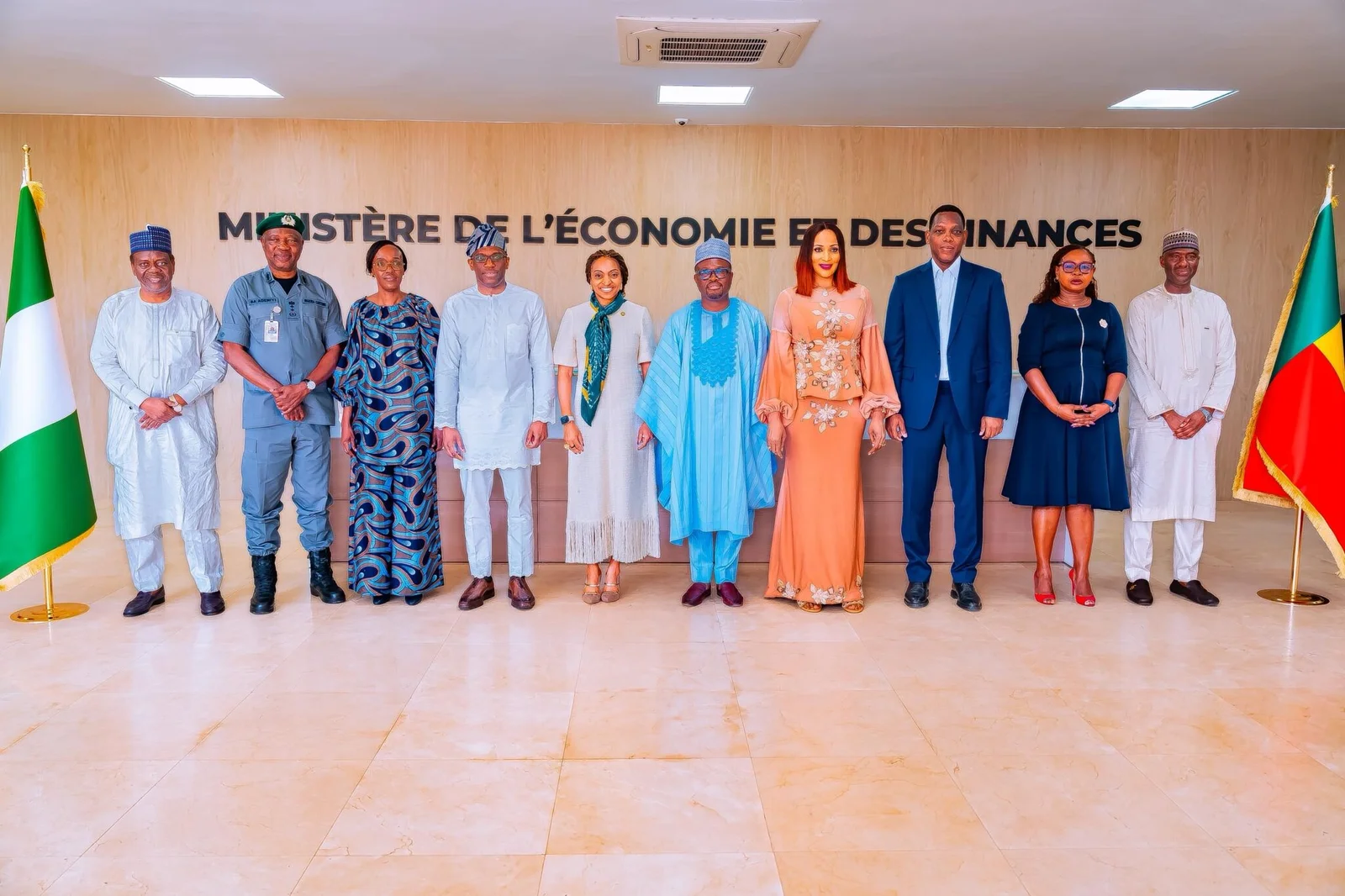
ABUJA, August 4, 2025 — The Federal Republic of Nigeria and the Republic of Benin have commenced the implementation of a landmark bilateral economic cooperation agreement aimed at deepening trade integration, enhancing cross-border infrastructure, and boosting mutual development across sectors.
The agreement, which was formalised earlier this year during a high-level summit between President Bola Ahmed Tinubu and President Patrice Talon of Benin, officially entered its execution phase following the inauguration of a joint task force over the weekend in Abuja. The task force, comprising senior officials from both countries, is mandated to oversee and coordinate all aspects of the cooperation framework.
According to a joint statement released after the inaugural session, the agreement covers critical areas such as trade facilitation, customs harmonisation, energy exchange, agriculture, technology transfer, and industrial development. Both governments also committed to easing bottlenecks at their shared borders, promoting private sector partnerships, and enhancing security collaboration to support the movement of goods and people.
Nigeria’s Minister of Foreign Affairs, Yusuf Tuggar, emphasised that the cooperation is part of President Tinubu’s broader economic diplomacy strategy, which seeks to reposition Nigeria as a regional economic powerhouse and strengthen ties with neighbouring countries. His Beninese counterpart, Shegun Bakari, described the partnership as a “gateway to shared prosperity” and a model for regional integration under the African Continental Free Trade Area (AfCFTA).
The cooperation framework will be implemented in phases, with short-term goals targeting border infrastructure upgrades and synchronisation of trade procedures, while long-term objectives include joint ventures in manufacturing and sustainable energy.
Officials affirmed that the initiative will benefit border communities, improve employment opportunities, and create a stable economic corridor between the two countries. Monitoring and evaluation mechanisms have been established to ensure accountability, transparency, and mutual benefit throughout the process.