
Nigeria Turns to Alternative Markets as U.S. Tariff Takes Effect
Abuja, Nigeria | August 7, 2025
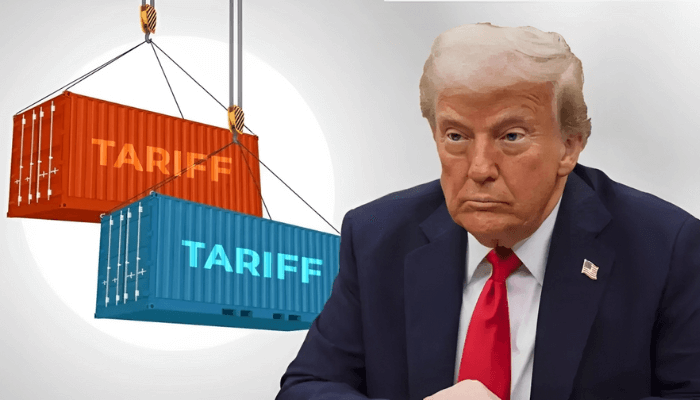
Nigeria is shifting focus toward regional and alternative international markets as a newly imposed 15 percent tariff on Nigerian imports by the United States officially takes effect this Thursday under a trade policy signed by former President Donald Trump.
While the tariff measure has sparked reactions in affected sectors, the Federal Government has expressed calm confidence, saying contingency plans are already in motion to cushion the potential impact. The move is part of broader U.S. trade adjustments targeting several developing economies, citing national economic protection and trade imbalances.
According to the Nigerian Ministry of Industry, Trade and Investment, the country has begun exploring stronger bilateral and intra-African trade partnerships under the African Continental Free Trade Area (AfCFTA) framework. Officials say the U.S. tariff, though significant, is not expected to derail Nigeria’s trade growth trajectory.
“The government is accelerating efforts to open up alternative markets in Africa, Asia, and the Middle East,” a senior ministry official stated. “We are also working closely with exporters to enhance product competitiveness and compliance with emerging international trade standards.”
Economists believe the tariff may affect non-oil exports such as agricultural produce, textiles, and manufactured goods, but note that Nigeria’s diversification strategy could mitigate long-term damage. In recent months, trade volumes with countries like China, India, and South Africa have been on the rise.
Meanwhile, local manufacturers and exporters have been advised to strengthen supply chain resilience and invest in value addition to remain competitive globally. Some industry groups are calling on the U.S. to reconsider the measure or offer exemptions for specific goods critical to bilateral trade.
Despite the setback, officials maintain that Nigeria’s evolving trade policy, anchored on regional integration and industrial self-reliance, will continue to drive economic expansion and reduce dependence on traditional Western markets.


