Nigeria’s Data Centre Capacity Projected to Reach 218MW by 2030, Signaling Major Digital Infrastructure Growth
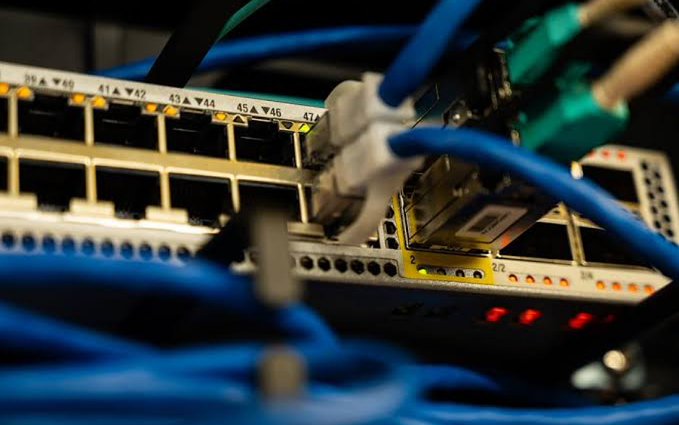
Nigeria’s data centre capacity is expected to surge to about 218 megawatts (MW) by 2030, according to new industry projections that highlight the country’s accelerating digital transformation and growing investment in critical ICT infrastructure.
The forecast reflects the rapid expansion of cloud computing, artificial intelligence, and digital service adoption across the country, as both private and public sector players intensify efforts to enhance local data hosting capabilities. Industry experts note that this growth will position Nigeria as a key data hub in West Africa, capable of supporting large-scale enterprise operations and attracting global technology investments.
Currently, Nigeria’s data centre capacity stands at an estimated 50MW, driven by major operators such as MainOne, Rack Centre, and Kasi Cloud. However, with ongoing projects and planned investments from new entrants, the capacity is projected to more than quadruple within the next five years.
Analysts attribute the growth to rising demand for data storage, increasing internet penetration, and regulatory pushes for data localisation. The federal government’s National Digital Economy Policy and Strategy (NDEPS) has also played a pivotal role in driving ICT infrastructure development and promoting private-sector participation.
Experts believe that achieving the 218MW milestone will not only strengthen Nigeria’s digital economy but also create thousands of skilled jobs, enhance cybersecurity resilience, and reduce the country’s reliance on foreign data hosting. This expansion, they say, will mark a major leap toward making Nigeria a competitive player in the global digital ecosystem by 2030.