Nigeria’s Economy Projected to Record Modest Growth in Q2 2025 Amid Stable Forex, Improved Activity
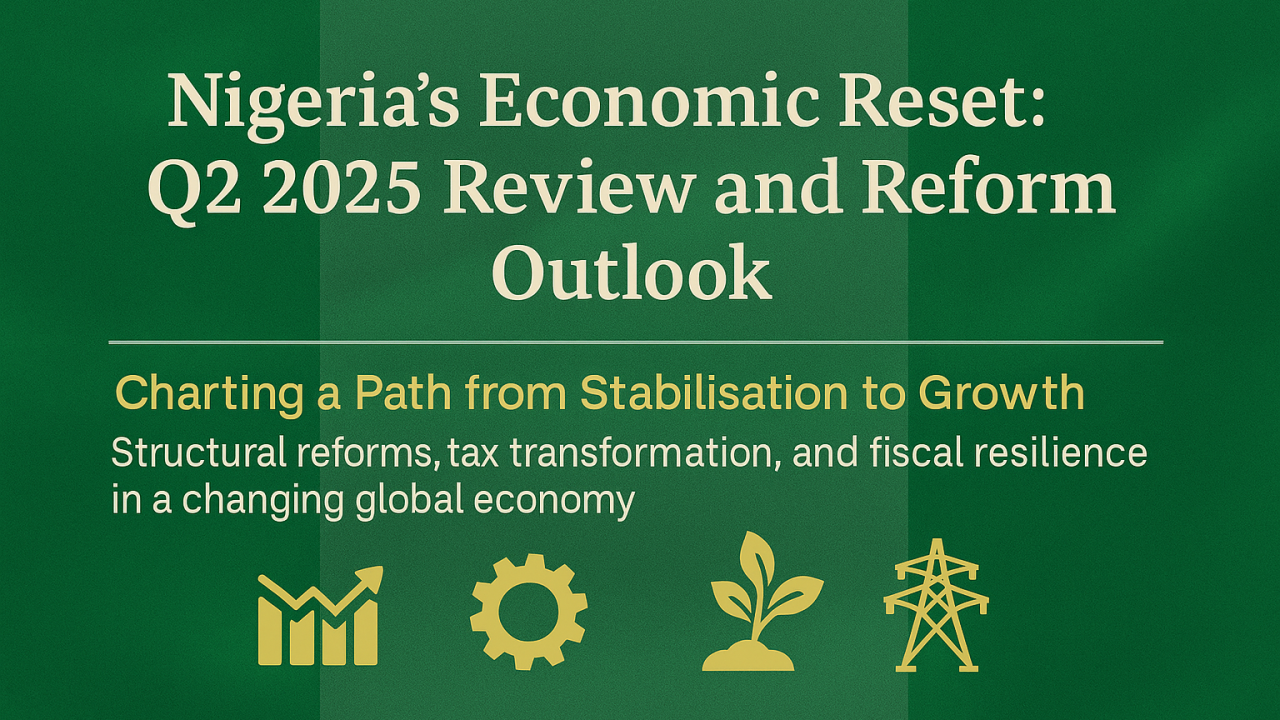
Nigeria’s Gross Domestic Product (GDP) is projected to record a moderate expansion in the second quarter of 2025, with analysts estimating growth to fall between 3.2% and 3.9%. This anticipated uptick is being attributed to a combination of key economic factors, including the recent GDP rebasing, a relatively stable foreign exchange environment, and increased momentum in both consumer and business activity across critical sectors.
The projection comes as the National Bureau of Statistics (NBS) prepares to release Q2 GDP figures in the coming weeks. Economic observers say the upcoming data will reflect the impact of the government’s ongoing macroeconomic reforms, particularly policies aimed at stabilizing the naira and restoring investor confidence.
The rebasing of Nigeria’s GDP framework, which now takes into account a broader and more updated basket of economic indicators, is expected to offer a more accurate picture of the country’s economic performance and size. This technical adjustment has contributed to more positive outlooks from both local and international analysts, who see Nigeria gradually recovering from the economic shocks triggered by previous currency volatility, subsidy removals, and global inflationary pressures.
Furthermore, the Central Bank of Nigeria’s recent interventions in the foreign exchange market have helped to temper excessive fluctuations in the naira, improving clarity and boosting import and export planning for businesses. This has had a ripple effect on manufacturing, trade, and services, which are expected to contribute significantly to the Q2 performance.
In addition, increased activity in sectors such as telecommunications, agriculture, and construction — buoyed by public and private investments — is likely to add weight to the overall GDP growth for the quarter. Business sentiment has also improved slightly, as corporate entities report better operating conditions and access to credit compared to the same period last year.
Despite lingering concerns about inflation and rising living costs, the anticipated GDP figures suggest that Nigeria’s economy is navigating its way towards a path of recovery and resilience, albeit slowly. However, experts continue to caution that sustaining this momentum will require consistent policy implementation, targeted fiscal stimulus, and sustained reforms to tackle structural weaknesses.
As the country looks ahead to the rest of 2025, attention will remain on key policy moves from the federal government and the Central Bank, especially in areas such as subsidy management, forex reserves, and job creation, which are critical to deepening real economic growth.