Nigeria’s Money Supply Falls to N117.78 Trillion in September Following Monetary Policy Adjustment
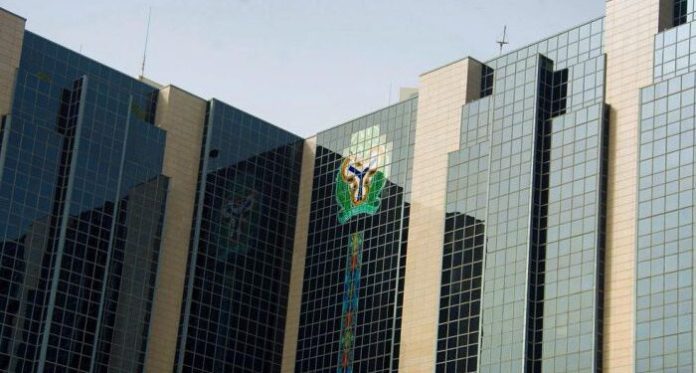
Nigeria’s money supply witnessed a decline to N117.78 trillion in September 2025, reflecting the effects of recent monetary policy adjustments and liquidity control measures by the Central Bank of Nigeria (CBN). The figure represents a slight contraction from the N120.89 trillion recorded in August, according to the latest data released by the apex bank.
The drop comes after the CBN eased the benchmark interest rate for the first time in months, a move analysts say was intended to stimulate borrowing and support growth amid slowing economic activities. However, the moderation in the money supply suggests a cautious liquidity stance by the financial regulator to keep inflationary pressures in check.
Economic experts have linked the reduction to tighter management of banking sector reserves and a slowdown in government and private sector credit expansion. Despite the decline, the CBN maintained that overall monetary conditions remain stable, with the naira liquidity level still adequate to support productive sectors.
The apex bank has recently been navigating a delicate balance between stimulating growth and curbing inflation, which remains one of the country’s major macroeconomic challenges. While the recent policy rate cut was aimed at boosting access to credit, the contraction in money supply indicates a cautious approach toward avoiding excessive liquidity that could reignite inflationary pressures.
Financial analysts believe the coming months will reveal the full impact of the rate cut on the economy, especially in lending activities, consumer spending, and price stability. The CBN, meanwhile, has reaffirmed its commitment to maintaining monetary and exchange rate stability while supporting government efforts to achieve sustainable economic growth.