Olajumoke Odudimu Highlights Nigeria’s Anti-Money Laundering Policy Framework
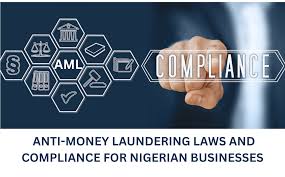
LAGOS, July 17, 2025 — Olajumoke Odudimu, Company Secretary of Velex Advisory Nigeria, has offered an insightful overview of Nigeria’s Anti-Money Laundering (AML) policies, spotlighting their role in deterring monetary crimes and safeguarding the country’s financial system from illicit funds.
Speaking on the subject, Odudimu explained that AML policies in Nigeria are a comprehensive set of laws, regulations, and institutional frameworks designed to detect, prevent, and combat money laundering and related financial crimes. These policies, she said, are aligned with global standards such as those outlined by the Financial Action Task Force (FATF).
According to her, Nigeria’s principal legislation in this regard includes the Money Laundering (Prevention and Prohibition) Act, 2022, which replaced earlier versions to consolidate the country’s efforts against financial crimes. The Act mandates financial institutions, Designated Non-Financial Businesses and Professions (DNFBPs), and other reporting entities to conduct customer due diligence, report suspicious transactions, and keep transaction records for at least five years.
Odudimu emphasized the central role of the Nigerian Financial Intelligence Unit (NFIU) in analyzing financial disclosures and supporting investigations into money laundering activities. She also acknowledged the work of the Economic and Financial Crimes Commission (EFCC) and the Independent Corrupt Practices and Other Related Offences Commission (ICPC) in enforcement.
“Nigeria’s AML framework is constantly evolving to match the increasing sophistication of financial criminals. The integration of technology, international cooperation, and strengthened regulatory oversight is key to ensuring compliance and minimizing financial risks,” she said.
She concluded that robust anti-money laundering policies are not just legal necessities but also essential tools for national security, economic stability, and fostering investor confidence in Nigeria’s financial system.