OPEC+ Eyes Fresh Supply Boost Amid Nigeria’s Oil Price and Revenue Uncertainty
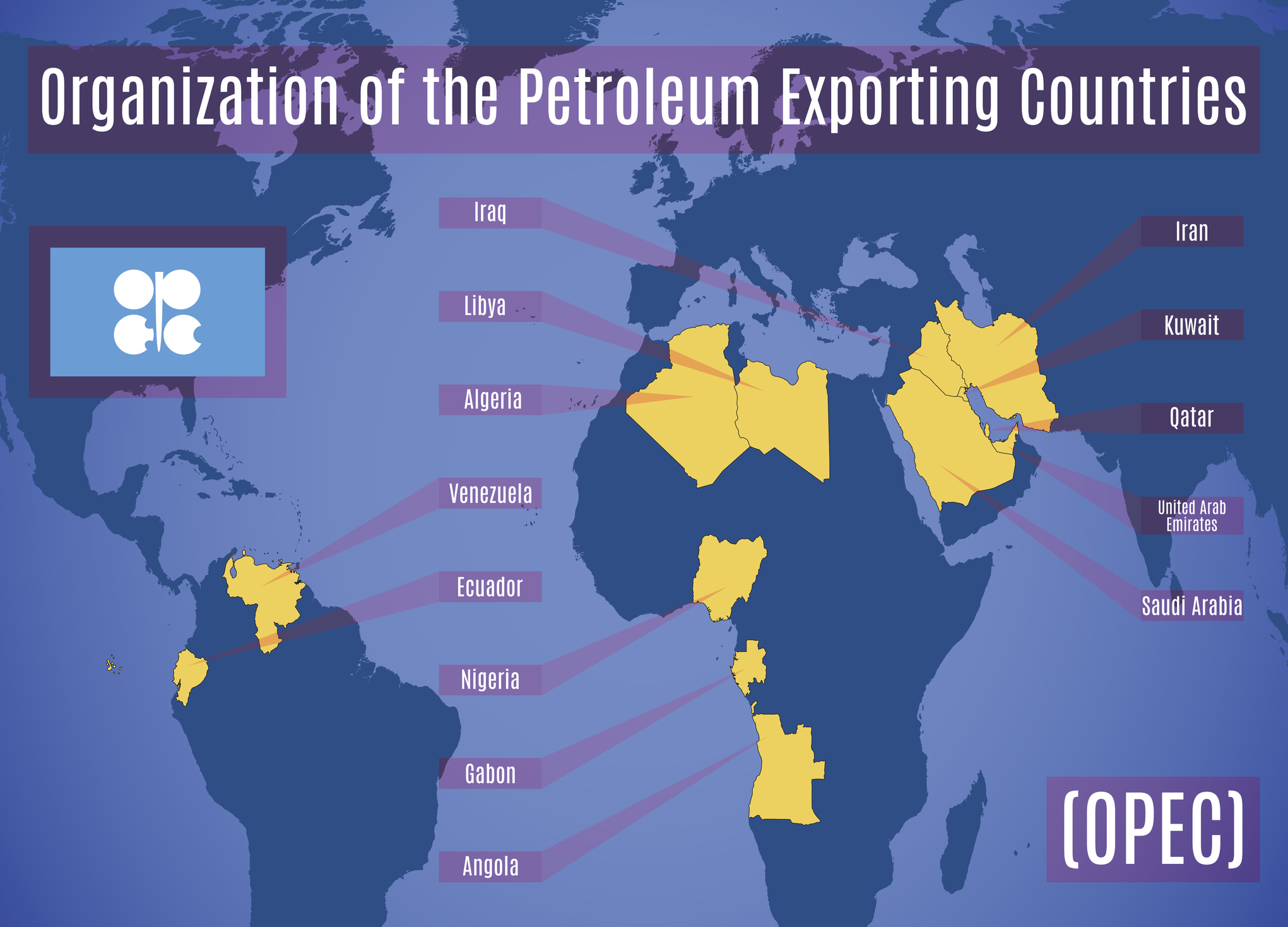
Abuja | July 29, 2025 — The Organization of the Petroleum Exporting Countries and its allies (OPEC+) is reportedly considering a new oil supply surge in the coming months, raising fresh concerns for Nigeria as it braces for heightened volatility in crude oil prices and government revenue.
According to insiders familiar with the cartel’s deliberations, the proposed move is aimed at stabilizing global supply amid rising demand forecasts for the final quarter of 2025. However, the plan is already triggering economic anxiety among oil-dependent economies like Nigeria, which rely heavily on crude exports to fund national budgets and foreign exchange reserves.
Oil experts warn that an increase in global supply could put downward pressure on prices, threatening Nigeria’s earnings projections and widening fiscal imbalances. With the 2025 budget benchmarked at $78 per barrel, any significant price drop could derail the government’s spending plans and further strain public finances.
The Federal Government has already expressed concerns about dwindling output levels and crude theft, both of which have undermined Nigeria’s ability to meet its OPEC quota. As of June 2025, Nigeria’s daily crude production hovered around 1.2 million barrels per day — far below the country’s potential and approved output target.
Energy analysts believe the looming supply adjustment by OPEC+ could complicate Nigeria’s economic recovery strategy, especially as the nation contends with inflationary pressure, high debt servicing costs, and a depreciating naira.
Despite these challenges, the Nigerian government has reaffirmed its commitment to ongoing reforms in the oil and gas sector, including renewed efforts to attract investments through the implementation of the Petroleum Industry Act (PIA) and improved security measures in the Niger Delta.
Meanwhile, the Nigerian National Petroleum Company Limited (NNPCL) and the Ministry of Petroleum Resources are expected to intensify diplomatic engagements within OPEC to protect the country’s interest and ensure fair market dynamics.
With oil revenues accounting for over 60% of government income and 90% of foreign exchange inflows, Nigeria’s economic planners are keeping a close watch on OPEC+ decisions, as even slight disruptions in the oil market could ripple through the entire economy.