Over 13 Million Worshipers Flock to Holy Mosques in Just One Week, Saudi Authorities Confirm
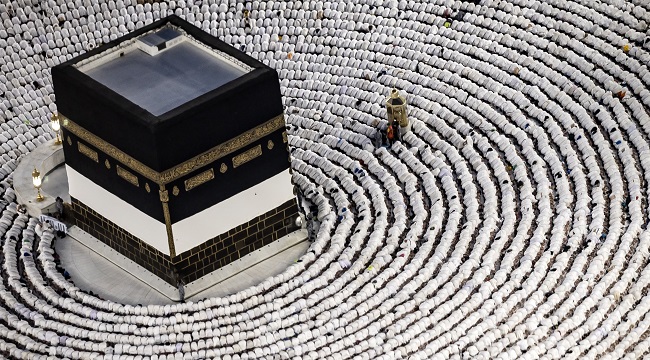
A staggering total of over 13 million worshipers and visitors were recorded at Islam’s two holiest mosques Masjid al Haram in Mecca and Masjid an Nabawi in Medina within just one week, between October 3 and 9, 2025, corresponding with the 11th to 17th of Rabi’ al-Akhir 1447 AH. This figure, confirmed by the General Presidency for the Affairs of the Grand Mosque and the Prophet’s Mosque, reflects the continuous spiritual pull of the holy sites even outside the peak pilgrimage seasons.
Despite the absence of major Islamic festivals during the period under review, the Grand Mosque in Mecca alone hosted over 4.1 million worshipers.
Among them, more than 22,000 were privileged to pray within the sacred Al Hateem area an extension of the Holy Kaaba revered for its spiritual significance. Meanwhile, Umrah activities remained vibrant, with nearly 2.9 million pilgrims completing the lesser pilgrimage during the same week, signaling the sustained global interest in visiting the holy land throughout the Islamic calendar.
In Medina, the Prophet’s Mosque welcomed over 5 million worshipers within the week. Of this number, 355,532 were granted access to the Noble Rawdah regarded as one of the gardens of Paradise and 478,403 took the opportunity to send peace and salutations directly at the Prophet Muhammad’s tomb, a tradition deeply cherished by visitors from across the world.
To handle the massive influx and ensure safety, Saudi authorities have deployed cutting edge sensor technology at strategic entry points of both mosques. These digital systems are capable of tracking real time movements, identifying congestion zones, and providing data that guides the smooth coordination of crowd control measures.
The sensors not only monitor density patterns but also help in directing cleaning crews, security personnel, and administrative staff to high-traffic areas promptly.
This technology-driven approach is part of a wider effort by the Kingdom to improve operational efficiency and elevate the experience of pilgrims and worshipers. It allows for swift responses to potential overcrowding while ensuring that worship remains peaceful and well-organized across the vast mosque complexes.
The significant number of visitors in such a short timeframe underscores the unwavering appeal of the Two Holy Mosques. It also highlights Saudi Arabia’s continued success in managing religious tourism through modern systems and precise planning.
Regardless of the time of year, millions remain eager to connect with their faith in the sacred cities of Mecca and Medina, making them among the most visited religious destinations on earth.