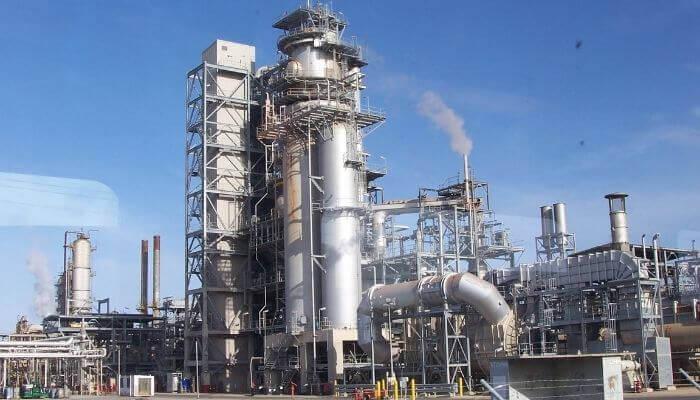
Petrol Depot Price Hits ₦900 Per Litre Amid Supply Challenges at Dangote Refinery
Depot prices for Premium Motor Spirit (PMS), commonly known as petrol, have surged to nearly ₦900 per litre in several coastal areas across Nigeria, sparking fresh concerns over the stability of the country’s fuel supply chain. The sharp increase has been linked to ongoing operational hiccups and supply constraints at the Dangote Petroleum Refinery, a development that has placed significant strain on the downstream distribution network.
Sources within the industry say the affected zones include major coastal cities where private depot operators have been forced to adjust prices upward due to difficulties in accessing consistent supply. These disruptions have come at a time when the market was anticipating improved stability following the partial commencement of operations at the Dangote facility Africa’s largest refinery and a critical player in Nigeria’s energy future.
Although the refinery began supplying the local market earlier this year, insiders suggest that full scale production and supply are yet to reach optimal levels. This shortfall has created a vacuum now being filled by independent importers and marketers who are grappling with high landing costs, volatile exchange rates, and rising logistics expenses all of which are pushing prices beyond the reach of ordinary Nigerians.
As at the time of filing this report, marketers warn that retail prices at filling stations may soon reflect the spike at depots unless urgent intervention is made to stabilize supply from the refinery and ease the pressure on importers. Some retail outlets have already adjusted pump prices in select locations, citing high depot purchase costs and the inability to sustain previous pricing models.
The Nigerian Midstream and Downstream Petroleum Regulatory Authority (NMDPRA) is yet to issue a formal response, but analysts say the current situation underscores the fragile nature of the country’s fuel distribution architecture, despite recent reforms in the oil and gas sector.