Power Firms Lose N2.31tn to Unutilized Electricity in 12 Years
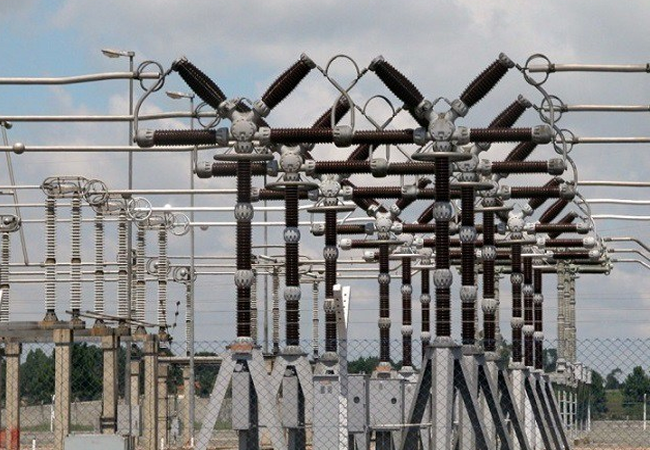
Nigeria’s power-generating companies (GenCos) have recorded losses amounting to an estimated ₦2.31 trillion over the past twelve years, following persistent challenges that have prevented the full utilization of generated electricity across the national grid.
Industry data indicate that a significant volume of power produced during this period could not be dispatched due to recurring grid instability, gas supply shortages, transmission bottlenecks, and other operational inefficiencies. These systemic setbacks have not only constrained power supply to homes and industries but have also deepened financial strain within the power sector.
Experts say the recurring issue of unutilised electricity technically referred to as “un-dispatched power” continues to undermine the viability of GenCos, which rely on consistent energy evacuation to meet contractual and financial obligations. Many power plants reportedly operate below capacity, resulting in huge revenue shortfalls despite Nigeria’s growing demand for electricity.
Stakeholders within the industry have repeatedly called for urgent reforms to address the technical and regulatory hurdles stifling grid performance. They have also urged the government to fast-track investments in transmission infrastructure and ensure timely payments to operators in order to stabilise the electricity value chain.
According to analysts, the accumulated loss of ₦2.31 trillion represents a major economic setback, particularly at a time when the country is seeking to boost industrial output and attract energy-dependent investments. They warn that unless structural challenges are resolved, the recurring wastage of potential power generation will continue to drain public and private sector resources.
Efforts by the Federal Government to improve grid reliability through interventions led by the Transmission Company of Nigeria (TCN) and the Ministry of Power are ongoing. However, energy experts insist that sustainable progress will depend on coordinated sector reforms, transparent market operations, and renewed investment in generation, transmission, and distribution infrastructure.