Presidency Disputes World Bank Report Claiming 139 Million Nigerians Live in Poverty, Says Figures Do Not Reflect Reality on Ground
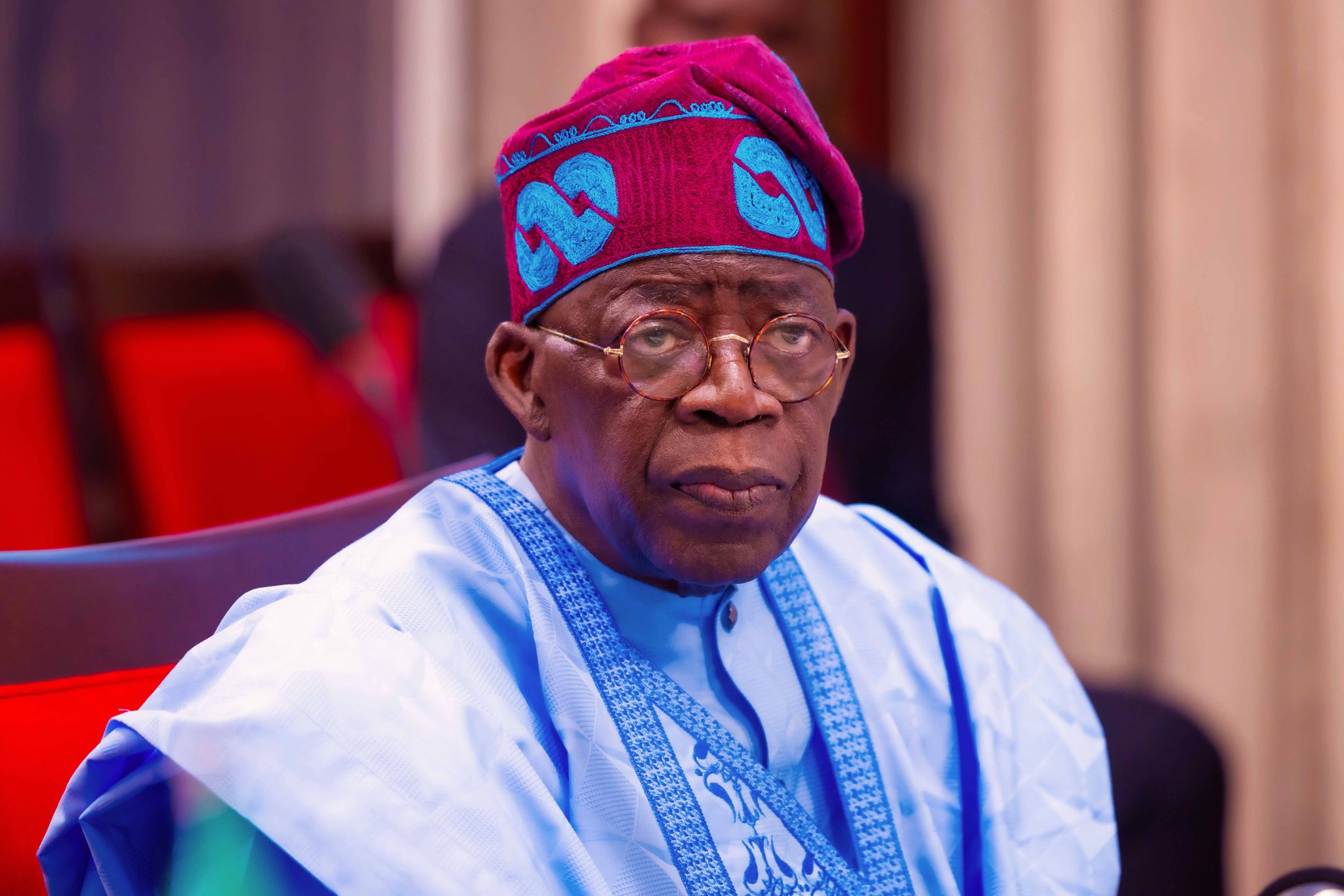
The Nigerian Presidency has strongly dismissed a recent report released by the World Bank which estimated that as many as 139 million Nigerians are currently living in poverty, describing the figure as not only “unrealistic” but also inconsistent with the economic trajectory and efforts being made to improve the nation’s socioeconomic outlook.
Reacting to the report, top government officials maintained that while the country still grapples with notable economic challenges, the claim that nearly two-thirds of the population are impoverished does not align with current realities or the data available to the Nigerian authorities. According to the Presidency, such figures paint a misleading picture and fail to account for recent interventions targeted at cushioning the effects of inflation, economic reforms, and social safety programs initiated under the present administration.
The World Bank report, which has sparked widespread public discussion and debate, suggested that Nigeria is facing a deepening poverty crisis, allegedly worsened by subsidy removal, currency devaluation, and rising cost of living. However, the federal government insists that while those reforms have come with temporary discomfort, they are necessary adjustments aimed at building a more resilient and inclusive economy in the long term.
Presidential aides further argued that the World Bank’s methodology often relies heavily on models and projections that may not fully capture the nuances of the Nigerian socio economic environment. They stressed that efforts are ongoing to strengthen data systems through institutions like the National Bureau of Statistics (NBS), which remain the most reliable source for tracking poverty and economic development indicators in the country.
It was also noted that President Bola Tinubu’s administration has rolled out a number of targeted welfare initiatives, including conditional cash transfers, fuel subsidy relief programs, agricultural support schemes, and efforts to stabilize food prices, all aimed at directly reaching vulnerable Nigerians and mitigating the impact of ongoing reforms.
The Presidency emphasized that while the government does not claim that poverty has been eradicated, the narrative of extreme deprivation being presented by the World Bank does not reflect the progress being made or the resilience of the Nigerian people. The statement concluded by reaffirming the administration’s commitment to lifting millions out of poverty through a combination of policy reforms, job creation strategies, and inclusive economic planning tailored to meet local realities.