Private Sector Credit Drops to ₦72.5 Trillion in September Despite CBN’s Interest Rate Adjustment
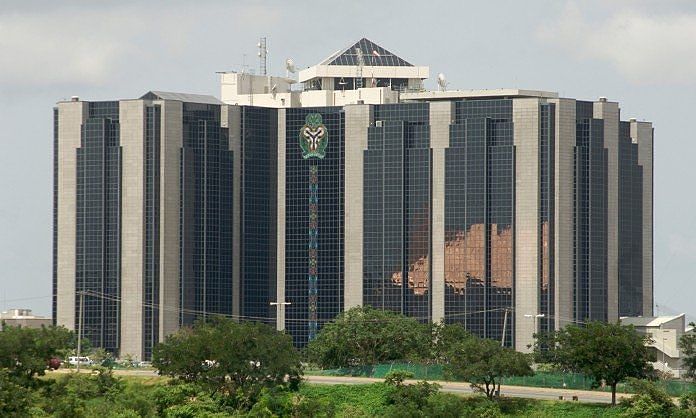
Credit to Nigeria’s private sector declined to ₦72.5 trillion in September 2025, despite the Central Bank of Nigeria’s (CBN) recent decision to cut benchmark interest rates aimed at stimulating lending and business growth. The latest figures, released by the apex bank, show a slowdown in credit expansion across key sectors of the economy, raising concerns about liquidity constraints and cautious lending practices among commercial banks.
According to the report, the reduction in private sector credit reflects a mix of economic challenges, including tightened risk management frameworks by banks, high inflationary pressures, and weakened investor confidence. Analysts suggest that although the CBN’s rate cut was intended to boost borrowing and spur productivity, many financial institutions remain wary of rising default risks and volatile market conditions.
The data further revealed that most credit disbursements were concentrated in sectors such as manufacturing, oil and gas, and general commerce, while small and medium-sized enterprises (SMEs) continued to face limited access to funding. Experts say this trend could slow down private investment and overall economic recovery if not addressed promptly.
Economists have urged the CBN to complement monetary easing with broader financial reforms that can enhance credit flow to productive sectors. They also emphasized the need for policies that promote confidence in the financial system, improve credit risk assessment, and ensure that businesses particularly SMEs can benefit from affordable financing.
Despite the decline, the CBN reaffirmed its commitment to maintaining a stable financial environment, assuring stakeholders that ongoing interventions in the credit market will help restore growth momentum in the months ahead.