
Professor Oloyede taking responsibility for the UTME Glitches.By -Sulaimon Olanrewaju
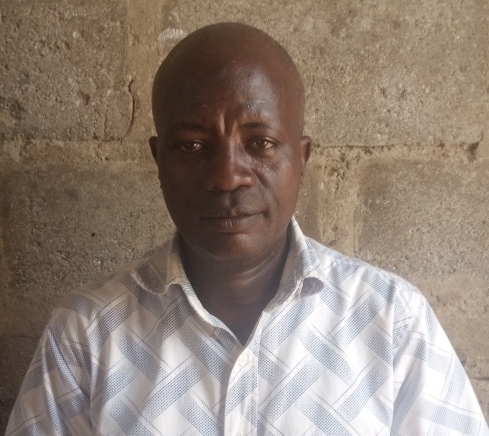
Since the release of JAMB results, barely a week ago,it has generated lots of concerns from many stakeholders in both the academy sector and others who for one reason or the other raises series of concerns about the mass failure of students who sat for the exam.
Critics from within Nigeria and overseas wrote many write-ups either objectively or otherwise until professor Isiaq Oloyede filled so much emotional and bursted into tears and admitted to taking responsibility for all the mix-ups that arised due to technical glitches.
Amazingly unusual, probably because of the emotional breakdown of the registrar Prof oloyede to have consumed all the blame and not shifted them to anybody.
Today 15th day of the month of May, Islamic organization like NASFAT, and some academy institutions a former minister of communication and digital economy have on separate accounts eulogized professor oloyede exceptional leadership character he exhibited at this challenging time.
The lessons from this analysis is that Muslims and Muslim organizations must rise up to stand by one and other until such person or group of Muslim gather the momentum to overcome the though time.
Kudos to NASFAT leadership for taking the lead as a society in standing firm for brotherhood purposes, expectedly more public declarations are needed to reawake the the leadership of JAMB having admitted errors and proffer solutions by giving apple opportunities to the concerned candidates redeem their hopes for seeking admission and also rebuilding the confidence of parents and the government of JAMB being capable to continue the process of admission into tertiary institutions in a better atmosphere and corrections of technical imbalances.


