
Renaissance Capital Forecasts Nigeria’s Oil Output to Hit 2 Million Barrels Per Day by 2026
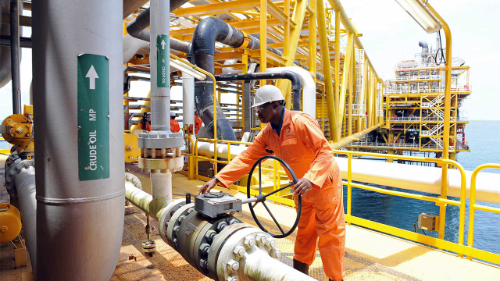
Investment and research firm Renaissance Capital (Rencap) has projected that Nigeria’s crude oil production could reach 2 million barrels per day (bpd) by 2026, citing recent policy reforms, improved security in oil-producing regions, and renewed investment inflows into the energy sector.
In its latest market outlook on Sub Saharan Africa’s economic prospects, the firm noted that Nigeria’s oil output has shown gradual recovery since 2023, following years of decline caused by oil theft, pipeline vandalism, and underinvestment in upstream operations. Rencap attributed the expected growth to stronger collaboration between the federal government, international oil companies (IOCs), and local producers aimed at restoring production capacity and modernising critical infrastructure.
According to the report, ongoing efforts by President Bola Ahmed Tinubu’s administration to stabilise the energy sector including the removal of fuel subsidies, deregulation of the downstream market, and policy incentives for investors are creating a more predictable environment for oil exploration and production.
Rencap also highlighted that security improvements in the Niger Delta, supported by the renewed involvement of community-based surveillance contractors, have helped reduce crude oil losses and restore confidence among investors.
The firm’s energy analysts stated that if current momentum is sustained, Nigeria could steadily increase production from the current average of around 1.5 million bpd to approximately 2 million bpd by 2026, positioning the country as a stronger player within OPEC’s production framework.
Rencap further projected that the anticipated boost in crude output, combined with ongoing refinery projects including the Dangote Refinery and government backed modular refineries could significantly improve Nigeria’s foreign exchange earnings and reduce dependence on imported petroleum products.
The report, however, cautioned that achieving this target will depend on sustained policy consistency, prompt resolution of funding bottlenecks in joint venture operations, and continued vigilance against oil theft and pipeline sabotage.
Industry observers believe that if Nigeria successfully scales production to 2 million bpd, it could enhance fiscal stability, support the government’s revenue diversification plans, and strengthen the naira through increased foreign exchange inflows.
Rencap concluded that the coming years could mark a turning point for Nigeria’s oil and gas industry, provided that reforms are fully implemented and sectoral transparency is maintained.


