
Rivers State Emergency Rule Crisis
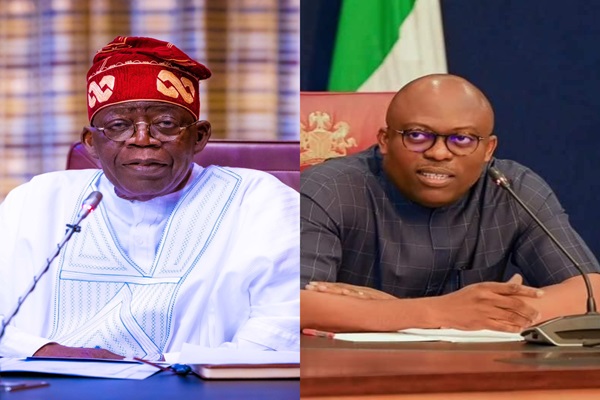
The crisis in Rivers State escalated following three explosions that occurred between Sunday and Tuesday, targeting oil pipelines in different parts of the state. These incidents have been linked to ongoing political tensions surrounding the impeachment process of Governor Siminalayi Fubara.
In response, the Federal Government deployed 10,000 personnel from the Nigeria Security and Civil Defence Corps (NSCDC) to safeguard oil installations. The government argues that the security situation in the state has worsened, necessitating urgent intervention.
Declaration of Emergency Rule
On Tuesday, President Bola Ahmed Tinubu declared a state of emergency in Rivers State, citing threats to public order and governance. This decision led to:
The suspension of Governor Siminalayi Fubara, his deputy, and the entire Rivers State House of Assembly.
The appointment of Retired Vice Admiral Ibok-Ette Ibas as Sole Administrator to oversee the state for six months until stability is restored.
A significant military presence, including more troops deployed to Government House, Port Harcourt.
As of now, Governor Fubara has vacated his office, and his whereabouts remain unclear. His aides have not issued any official statements regarding his location or next steps.
Political Reactions & Legal Controversy
The declaration of emergency rule has triggered widespread backlash, with political stakeholders, legal experts, and civil society organizations questioning the legality and constitutionality of the President’s actions.
Opposition and Labour Unions Reject Emergency Rule
The People’s Democratic Party (PDP) and some lawmakers argue that the President does not have the constitutional authority to suspend an elected governor or dissolve a state assembly.
The Nigeria Labour Congress (NLC) and the Trade Union Congress (TUC) have also condemned the move, describing it as a threat to democracy.
Protests have erupted in Port Harcourt, with civil society organizations demanding a reversal of the emergency rule and the reinstatement of elected officials.
National Assembly Debate on the Emergency Rule
The National Assembly is set to debate the state of emergency today. According to the Nigerian Constitution, a state of emergency must be approved by at least 73 senators and 240 members of the House of Representatives.
If the National Assembly rejects the emergency rule, it could lead to a constitutional crisis between the Executive and Legislative arms of government.
Attorney General’s Justification for Emergency Rule
The Attorney General of the Federation, Lateef Fagbemi (SAN), has defended the President’s decision, stating that the emergency rule was necessary due to:
Threats to public safety posed by political violence and attacks on infrastructure.
Breaches of the Nigerian Constitution, particularly in the handling of governance and legislative activities in Rivers State.
The inability of security forces to prevent further attacks without federal intervention.
Underlying Political Influences
Political analysts believe that the crisis is influenced by Nyesom Wike, the current Minister of the Federal Capital Territory (FCT) and former governor of Rivers State. Wike played a key role in Fubara’s election but their relationship deteriorated after Fubara resisted Wike’s influence in state affairs.
The impeachment move against Governor Fubara is widely seen as a power struggle between his supporters and Wike’s loyalists in the state assembly. The emergency rule has further deepened the political divisions in the state, raising concerns about the future of governance in Rivers.
Conclusion
The Rivers State crisis has become a major national issue, with legal, political, and security implications. The coming days will be crucial as:
The National Assembly decides whether to uphold or reject the emergency rule.
Protests and legal challenges continue against the Federal Government’s intervention.
Political tensions between Governor Fubara, Nyesom Wike, and the Presidency intensify.
The situation remains volatile, with uncertainty about governance, security, and democratic stability in Rivers State.


