Russia-Iran Strategic Pact Takes Effect Amid Shifting Global Alliances
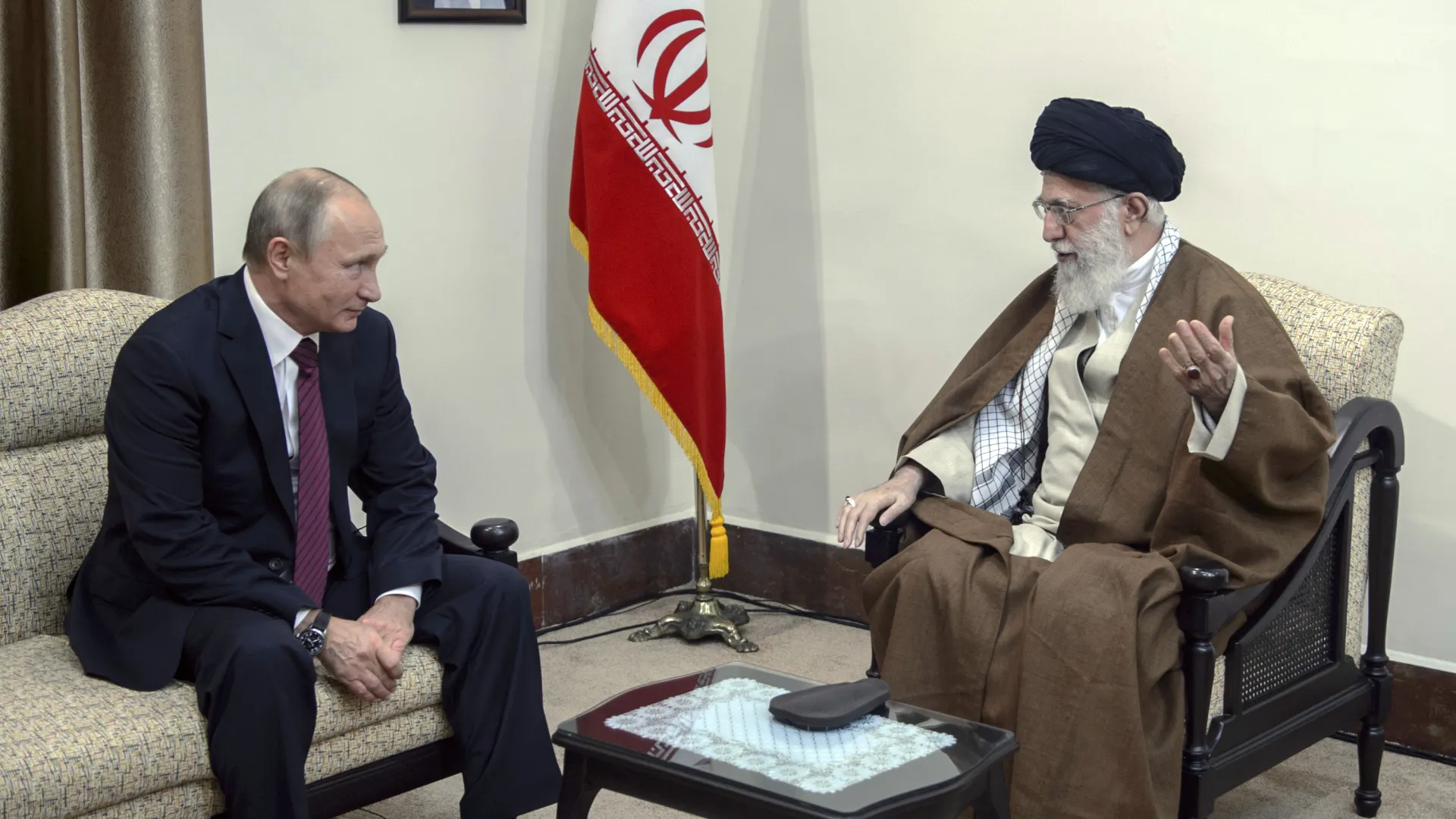
In a significant geopolitical development that signals deepening ties between two of the world’s most closely watched nations, the Comprehensive Strategic Partnership Agreement between the Russian Federation and the Islamic Republic of Iran has officially come into force as of today. The agreement, long in the works, is expected to redefine the diplomatic and economic trajectory between Moscow and Tehran at a time when both countries continue to face mounting pressure from Western powers.
Signed after a series of high-level negotiations and bilateral visits over the past few years, the partnership spans a broad range of sectors, including energy cooperation, defense coordination, economic exchange, and infrastructure development. It is being described by analysts as one of the most ambitious collaborations between the two nations since the post-Cold War era. With the agreement now active, both sides are expected to implement a number of joint initiatives aimed at boosting trade, security collaboration, and regional influence—particularly in the face of international sanctions and strategic isolation.
Sources close to the agreement indicate that the partnership includes long-term projects such as oil and gas exploration, technology sharing, and expanded military dialogues. Observers believe the pact could have wider implications across the Middle East, Central Asia, and even Africa, where both nations have been increasing their presence in recent years.
This development also comes at a time when Iran continues to strengthen its ties with countries outside the Western orbit, seeking alternatives to traditional global financial systems. For Russia, this partnership serves as a critical counterbalance to its deteriorating relationship with NATO and the European Union, particularly in the wake of ongoing tensions over Ukraine and global sanctions.
While neither Moscow nor Tehran has released the full details of the agreement, state media in both countries have hailed it as a landmark deal that represents mutual respect, sovereign alignment, and a shared vision for a multipolar world order.
As the global political landscape becomes more polarized, the activation of this strategic accord will likely be closely monitored by the United States, European Union, and their allies, who have expressed concerns over growing military and economic cooperation between sanctioned states. For now, however, both Russia and Iran appear resolute in their commitment to expanding their bilateral ties—signaling a new chapter in Eurasian geopolitics.