
Saudi Arabia Bars Pilgrims With Chronic Illnesses From Participating in Hajj 2026
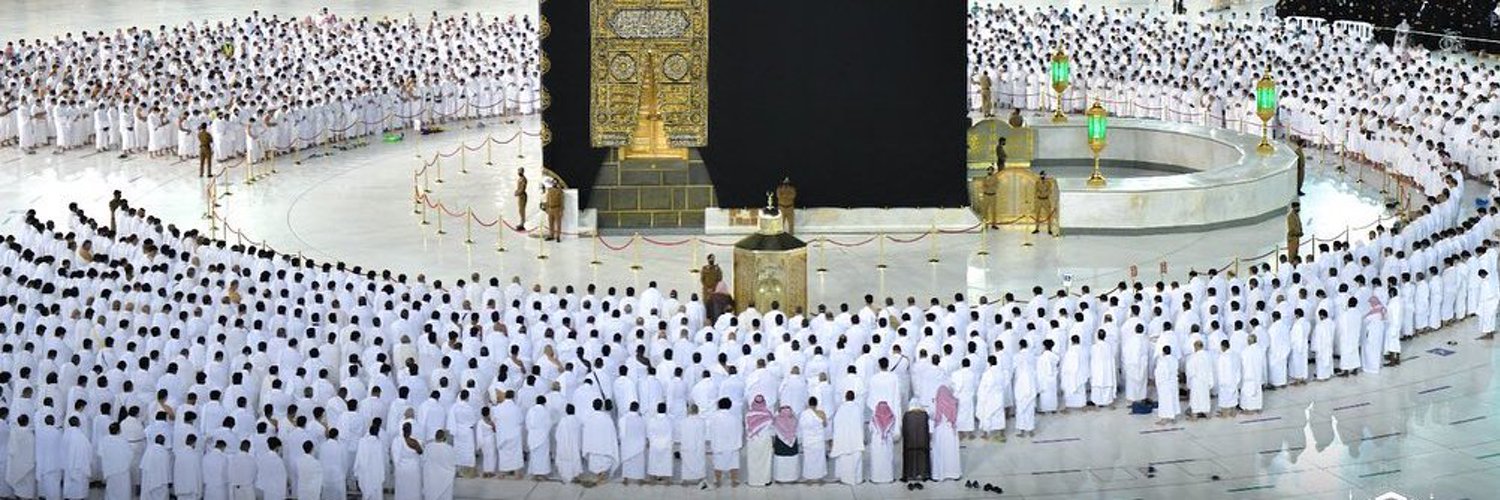
Saudi Arabia has announced a new set of health regulations that will prevent individuals with chronic or life-threatening medical conditions from taking part in the 2026 Hajj pilgrimage. The directive, issued by the Kingdom’s Ministry of Health, is aimed at safeguarding public health and ensuring that only medically fit pilgrims embark on the sacred journey.
According to the new policy, individuals suffering from serious illnesses such as cancer, heart and kidney diseases, liver disorders, chronic respiratory conditions, and infectious diseases will not be allowed to participate in next year’s pilgrimage. The restrictions also extend to those with cognitive impairments, neurological conditions, severe disabilities, and high-risk pregnancies. Elderly persons displaying frailty or memory loss have also been advised against participating in the strenuous rituals.
Saudi authorities disclosed that dedicated medical verification teams will be deployed to thoroughly inspect and authenticate all submitted health documents before pilgrims are granted entry into the Kingdom. The measure forms part of broader efforts to protect worshippers from health complications, particularly during periods of extreme heat and heavy crowding.
Officials further warned that any pilgrim found presenting forged medical certificates or concealing serious health conditions will be deported immediately at their own expense, without eligibility for any refund from tour operators or Hajj package providers. In addition, healthcare professionals caught issuing falsified fitness certificates face severe disciplinary actions from the relevant Saudi and international health bodies.
The new health directives represent one of the strictest medical entry policies in the history of the Hajj. Saudi health authorities explained that the goal is not to exclude pilgrims but to ensure the safety and wellbeing of all participants, particularly in light of the rising number of attendees and the potential health risks associated with mass gatherings.
Officials emphasized that the decision was made after careful consultation with medical experts and religious leaders, underscoring the importance of ensuring that every pilgrim can perform the sacred rites without endangering themselves or others. The Ministry reaffirmed its commitment to maintaining the highest standards of public health as preparations intensify for Hajj 2026.


