Saudi Arabia Unveils Comprehensive Health Protocols for 2026 Hajj: Nigerian Pilgrims Advised to Comply Early or Risk Denied Entry
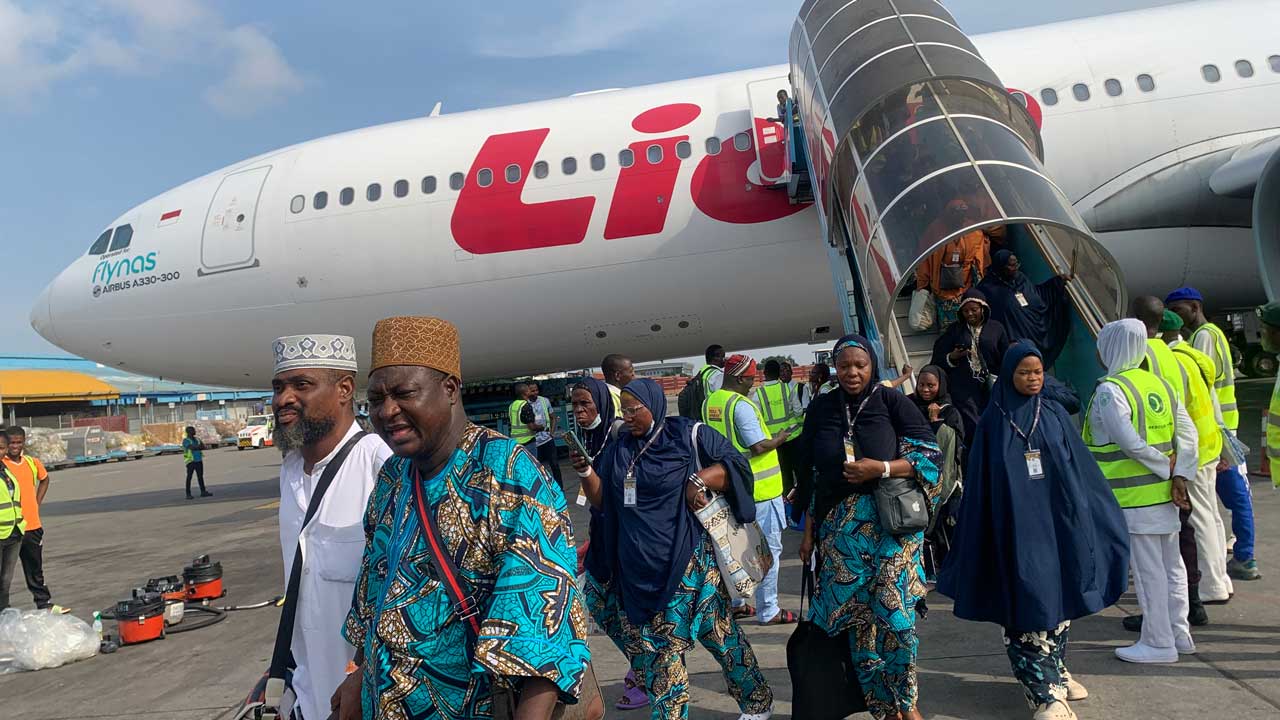
As preparations gather momentum for the 2026 Hajj pilgrimage (Hajj 1447 AH), the Kingdom of Saudi Arabia, through its Ministry of Health, has issued a fresh and comprehensive set of health requirements that all intending pilgrims must meet before they can be granted entry into the holy land. The new regulations, which have been formally communicated to the National Hajj Commission of Nigeria (NAHCON), aim to ensure the safety and well being of millions of pilgrims expected to participate in the annual religious rites.
The Saudi government has emphasized that only pilgrims who are deemed medically fit and fully vaccinated will be permitted into the country for Hajj. The directive is part of the Kingdom’s robust strategy to prevent the spread of infectious diseases, particularly in light of recent global health threats such as COVID-19, meningitis, and polio, which have prompted stricter international health policies.
According to the health guidelines, the following vaccines are now mandatory for all pilgrims:
First, the COVID-19 vaccine must be taken at least two weeks before departure. Only vaccines administered between 2021 and 2025 are considered valid, and documentation will be strictly reviewed at the point of entry.
Secondly, vaccination against Meningitis (ACWY) is compulsory. This vaccine must be received between 10 days to five years before arrival in Saudi Arabia. Pilgrims who do not meet this timeline will be flagged as non compliant.
Thirdly, the Polio vaccine (either IPV or bOPV) is required for travelers arriving from polio endemic regions. Nigerian pilgrims fall into this category and are therefore mandated to take the vaccine at least four weeks before travel. Proof of vaccination must be provided using the internationally recognized Yellow Card.
Additionally, the Yellow Fever vaccine is compulsory for all pilgrims aged nine months and above. A certificate of vaccination must be presented on arrival as evidence of immunization against the disease.
Beyond vaccinations, Saudi authorities have also outlined strict health fitness standards. Pilgrims suffering from certain medical conditions have been officially categorized as “Not Fit to Travel”. These include individuals with major organ failure, advanced stages of chronic illnesses such as kidney or heart disease, those undergoing active cancer treatments, people with severe mental or neurological disorders, and individuals suffering from infectious diseases like tuberculosis. Any pilgrim who falls within these categories will not be allowed to travel for Hajj in 2026, as per Saudi health protocols.
On the other hand, all other pilgrims who are in stable physical and mental health are considered “Fit to Travel” and are encouraged to begin early compliance with the outlined requirements.
To facilitate a smooth process, the National Hajj Commission of Nigeria (NAHCON) has urged all prospective pilgrims to undergo medical screening and obtain all required vaccinations well in advance. The commission has also stressed that only those with a valid health certificate will be cleared to travel. Pilgrims without proper documentation risk being delayed, denied entry, or subjected to further testing or isolation upon arrival in the Kingdom.
Moreover, Saudi health authorities reserve the right to impose additional emergency health measures during the pilgrimage, especially in the event of any disease outbreaks. This could include extra screening, isolation protocols, or restrictions on movement depending on the global health situation at the time.
NAHCON, in collaboration with Nigerian state pilgrims’ welfare boards, is expected to enforce compliance through early health assessments and coordinated vaccination campaigns. The agency has reiterated that it will not compromise on any health requirement, stressing that pilgrim safety remains paramount.
As the countdown to Hajj 2026 continues, intending pilgrims from Nigeria and other countries are advised to adhere strictly to the new regulations. Early preparation, proper documentation, and medical compliance will be key to ensuring a hitch-free journey to the holy land.
The 2026 Hajj is expected to attract millions of Muslims from across the globe, and with the evolving health landscape, these stringent measures are seen as a necessary safeguard for one of the largest annual gatherings in the world.