Saudi Authorities Block Over 269,000 Unauthorized Pilgrims from Entering Mecca Ahead of Hajj
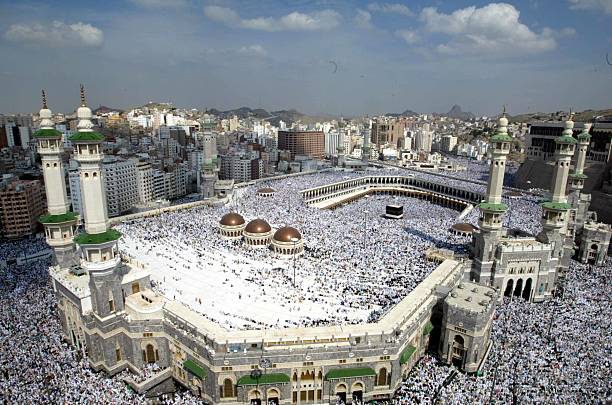
In a massive enforcement operation aimed at preserving order and safety during this year’s Hajj, Saudi authorities have prevented more than 269,000 individuals without valid permits from entering the holy city of Mecca. This development comes as the Kingdom intensifies its crackdown on illegal attempts to participate in the sacred Islamic pilgrimage, which is expected to host over 1.4 million officially registered pilgrims this season.
Announced during a press briefing held in Mecca on Sunday, the Saudi Ministry of Interior confirmed that a total of 269,678 persons were intercepted at various entry points leading to the city. These individuals were found to lack the mandatory Hajj permits required to access Mecca during the pilgrimage period, regardless of their nationality or residency status.
Authorities explained that this firm stance is part of a broader strategy to manage crowd control and ensure the safety of all pilgrims. The government has repeatedly stated that unregistered participation contributes significantly to congestion and logistical strain during Hajj. In fact, many of those affected by last year’s fatal heatwave were reportedly unauthorized pilgrims who did not have access to official accommodation or healthcare support.
In line with the current regulations, anyone attempting to perform Hajj without a valid permit faces penalties that include fines reaching up to $5,000, deportation for expatriates, and further legal consequences for citizens and residents alike. These rules are not limited to foreign nationals; even Saudi citizens and long-term residents are required to obtain official clearance to partake in the pilgrimage.
Furthermore, over 23,000 Saudi residents have been penalized for various violations of Hajj laws this year alone, reflecting a zero-tolerance policy toward regulatory breaches. In addition to individual penalties, the government has also revoked the licenses of 400 Hajj service operators found guilty of non-compliance or fraudulent activities.
Saudi Arabia, custodian of Islam’s two holiest sites, has long emphasized the importance of organization and discipline during Hajj, which is one of the five pillars of Islam and must be performed at least once in a lifetime by every Muslim who is physically and financially capable. With millions converging in Mecca from all corners of the globe, the authorities maintain that strict control over pilgrim access is vital for the overall success of the spiritual gathering.
The enforcement measures serve as both a deterrent and a protective strategy, especially in light of the challenging desert conditions and the logistical demands of hosting such an immense influx of people within a short timeframe. As the date of the Hajj draws closer, security personnel, surveillance systems, and electronic checkpoints have been intensified throughout the region to ensure that only authorized pilgrims make it into the city for the sacred rites.
With preparations now in full swing and more approved pilgrims set to arrive in the coming days, the Saudi government continues to urge all intending worshippers to comply strictly with the permit system, emphasizing that safety, organization, and adherence to guidelines are essential for a smooth and spiritually fulfilling Hajj experience.