
Scientists Sound Alarm, Say AI is Africa’s Only Hope to End Hunger Crisis
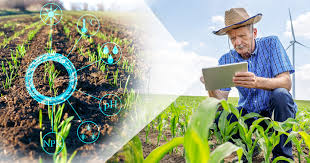
ABEOKUTA, Nigeria – Top scientists and scholars have made a passionate appeal to African governments to urgently invest in Artificial Intelligence (AI) to save the continent from a worsening hunger crisis. The experts, gathered at the 2025 Humboldt Kolleg Scientific Conference at the Federal University of Agriculture, Abeokuta (FUNAAB), said it is time for a radical policy shift, warning that traditional farming methods can no longer feed Africa’s growing population.
The conference brought together researchers, policymakers, and industry leaders to find high-tech solutions to Africa’s food problems. A shocking report presented revealed that despite producing more food than ever before, hunger is still rampant. In 2023, a staggering 282 million people in Africa, about one in every five, faced hunger. The experts explained that even though crop production has skyrocketed, conflicts, climate change, and economic issues prevent the food from getting to everyone who needs it.
A major point of concern raised by the scholars is that Africa is being left behind in the global AI race. The University Librarian, Prof. Abayomi Owolabi, lamented that while countries like the U.S. and China are spending billions on AI, Africa receives a meagre 0.3% of total global AI investment. “AI is rewriting the rules of the global economy, and Africa risks marginalisation not for lack of talent, but because its role in shaping the future has been overlooked,” he warned. He stressed that Africa’s massive youth population is a “game-changer” that can drive this innovation if governments wake up and deploy more resources into AI technology for farming.
The experts proposed that AI can revolutionise agriculture by boosting productivity, ensuring food safety, and preserving the environment. This means using smart technology to predict weather patterns, monitor soil health, and help farmers use resources more efficiently. The Vice-Chancellor of FUNAAB, Prof. Babatunde Kehinde, reaffirmed the university’s commitment to pioneering research that integrates AI into agriculture to tackle food insecurity.
Another expert, Prof. Simeon Cadmus from the University of Ibadan, warned that climate change is increasing the risk of new diseases, making AI-driven solutions even more critical. The conference ended with a strong call to action for governments and private investors to support farmers with new technology and training. The message was clear: to end hunger in Africa, the continent must boldly embrace the power of Artificial Intelligence.


