
Secrets of Dhikr: Remembrance of Allah for Inner Peace
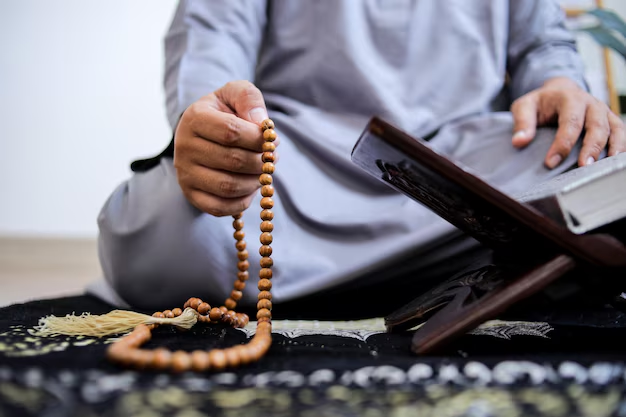
In a noisy world where stress, anxiety, and endless distractions fill our days, Muslims have been given a powerful key to peace: Dhikr, the remembrance of Allah. It’s simple, requires no special setting, and yet its effect on the heart is profound.
- Dhikr Calms the Heart
The Qur’an makes it clear: “Verily, in the remembrance of Allah do hearts find rest.” (Qur’an 13:28)
When you say SubhanAllah (Glory be to Allah), Alhamdulillah (All praise is due to Allah), or Allahu Akbar (Allah is the Greatest), your heart slows down from worldly worries and reconnects with its Creator.
2️⃣ Dhikr is Always Accessible
Unlike Salah that has set times, Dhikr can be done anywhere, anytime while driving, cooking, studying, or even walking. It’s a private conversation with Allah, no matter where you are.
- Dhikr Protects and Strengthens
The Prophet ﷺ said: “The example of the one who remembers Allah and the one who does not is like the living and the dead.” (Bukhari)
Dhikr brings life to the soul. It strengthens faith, protects from Shaytan, and keeps you spiritually “charged” throughout the day.
Dhikr Brings Barakah:
The more you remember Allah, the more blessings flow into your time, wealth, and relationships. Even short adhkar (morning and evening supplications) can transform your daily routine with divine protection and ease


