Sokoto Hajj Officials Warned Against Registering Foreigners, Individuals of Suspicious Character
SOKOTO
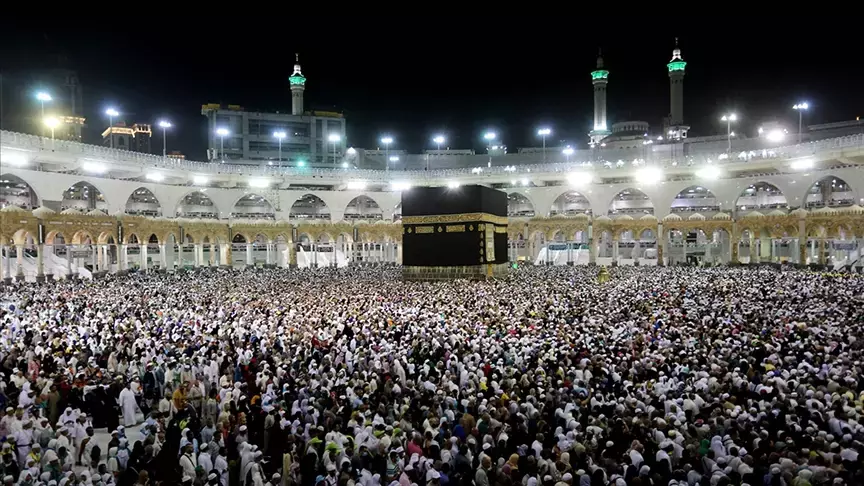
The Sokoto State Pilgrims Welfare Agency (PWA) has issued a firm directive to all Hajj registration officers across the state, warning them to strictly adhere to the guidelines governing the enrollment of intending pilgrims, especially as preparations for the upcoming pilgrimage to Saudi Arabia gather momentum.
In a recent address to officials, the agency emphasized that only bona fide Nigerian citizens with verifiable identities and good standing should be considered for registration. It cautioned against the inclusion of individuals with questionable character or any attempts to smuggle non Nigerian citizens particularly from neighbouring West African countries into the official list of pilgrims.
The Executive Secretary of the agency made it clear that such practices not only violate Nigeria’s immigration and Hajj regulations but also risk attracting diplomatic and religious repercussions both at home and in the Kingdom of Saudi Arabia. He stressed that the agency will not tolerate any form of misconduct that could tarnish the image of Sokoto State or Nigeria as a whole during the sacred journey.
Officials were reminded that Hajj is a deeply spiritual obligation and must be approached with the highest sense of responsibility, integrity, and national pride. Any officer found compromising the integrity of the registration process, either through negligence or deliberate malpractice, will face severe disciplinary action, including possible prosecution.
As one of the states with a high turnout of Muslim faithful each year, Sokoto has consistently worked to uphold transparency and orderliness in its Hajj operations. The agency reaffirmed its commitment to working closely with the National Hajj Commission of Nigeria (NAHCON) to ensure that all pilgrims from the state are properly screened, documented, and prepared for the spiritual exercise in accordance with international standards.
This latest warning comes amid increased scrutiny over illegal attempts by non-Nigerians to infiltrate the Hajj process through porous border states, raising concerns about security, diplomatic violations, and the abuse of religious privileges.