Strategic Shift: Analysts Urge Iran to Match Missile Strength with Robust Air Force for Enhanced Military Power
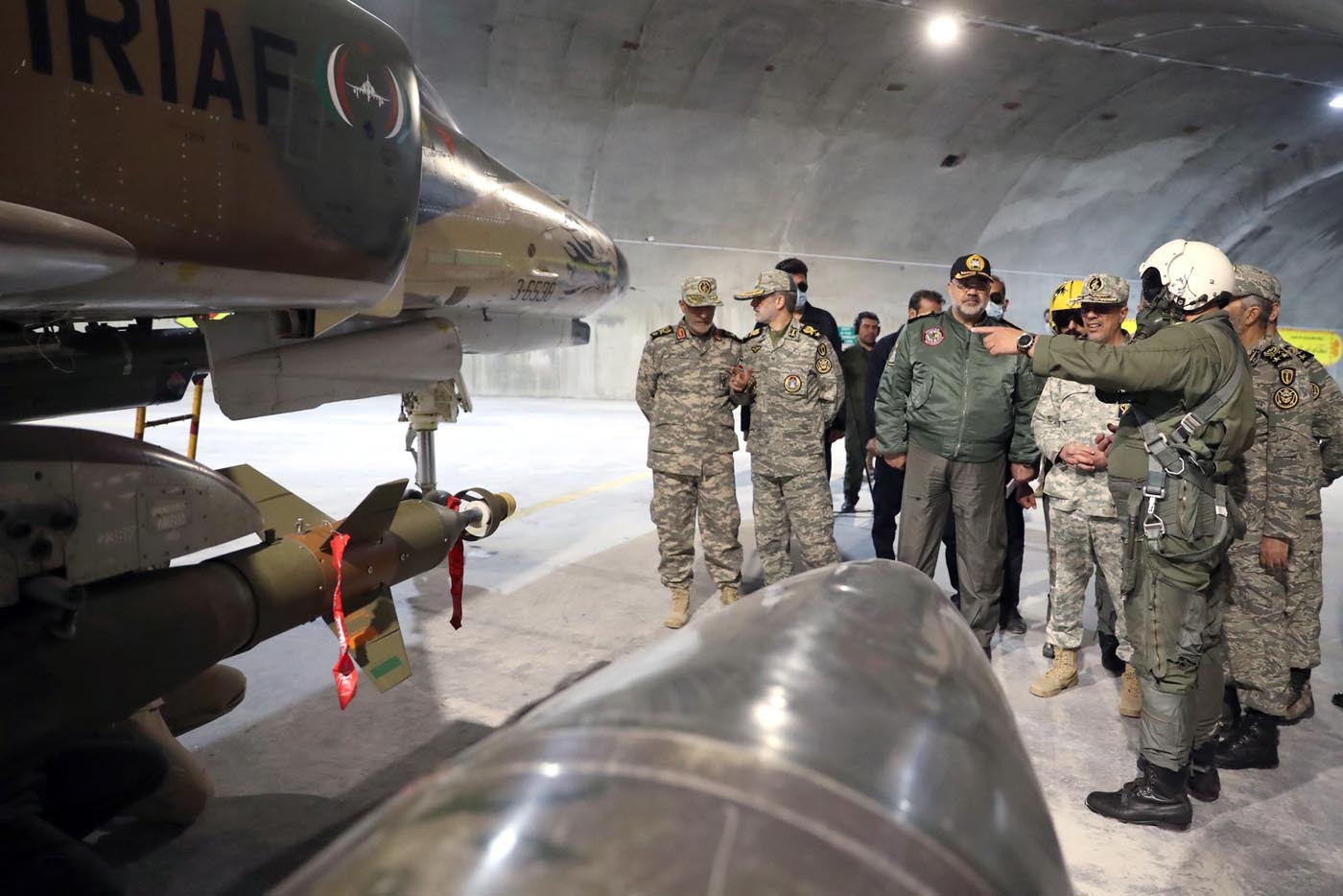
As regional tensions in the Middle East continue to evolve and global attention remains fixed on defense posturing, military observers and defense analysts are increasingly calling on the Islamic Republic of Iran to complement its well-established missile arsenal with a modern, fully developed air force. According to experts, the strategic pairing of these two military arms could significantly elevate Iran’s deterrence and offensive capabilities on the regional and global stage.
Iran has long been recognised for its advanced missile technology — particularly its medium and long-range ballistic missiles — which have positioned the country as a formidable force in asymmetric warfare and regional influence. From precision-guided systems to drone-assisted strikes, Tehran’s missile capabilities have grown over the years despite international sanctions and technological restrictions.
However, what many see as a glaring gap in Iran’s defense doctrine is the relative weakness of its conventional air force. Currently reliant on aging fleets of American F-14 Tomcats and Russian MiG-29s, many of which date back to the 1970s and 1980s, Iran’s air combat wing remains underdeveloped when compared to its missile systems. Analysts argue that investing heavily in next-generation aircraft, aerial surveillance technology, and integrated air defense coordination would provide the Islamic Republic with a more balanced and formidable military posture.
“The reality is that missiles alone, no matter how precise, have limitations in sustained conventional warfare,” noted a regional defense analyst. “The absence of a strong and modern air force places strategic pressure on Iran’s military plans. If both wings — missile and air power — are developed side by side, it could create a significantly more destructive and responsive force.”
Tehran has already hinted at plans to modernize its air assets, including ongoing military cooperation with Russia and China. Unconfirmed reports suggest negotiations for advanced fighter jets, such as the Sukhoi Su-35, could materialise in the near future. If realised, such acquisitions would mark a major upgrade in Iran’s aerial capabilities and could shift the military balance in the region.
For now, the consensus among experts is that the time is ripe for Iran to move from a missile-dominant strategy to a more integrated approach. With rising geopolitical pressures, shifting alliances, and increasingly complex battlefield technologies, the ability to project force both from the ground and the skies is no longer optional — it is strategic necessity.