
Sub-Saharan African Central Banks Intensify Efforts to Tackle Inflation with Interest Rate Hikes
Central banks across Sub-Saharan Africa are actively adjusting their benchmark interest rates as part of robust measures to curb inflationary pressures and stabilize fragile economies amid global economic uncertainties. Recent data reveals a spectrum of monetary policy decisions reflecting the varied economic realities faced by countries in the region.
This comprehensive overview compiled for KIIN360 shows how monetary authorities are calibrating their policy rates to address challenges ranging from persistent inflation, currency depreciation, to capital flight. For instance, Nigeria’s Central Bank has maintained a cautious approach, balancing inflation containment with the need to support growth, while countries like Kenya and Ghana have opted for more aggressive rate hikes to rein in inflation that recently surged above 20% in some cases.
Economic analysts point out that these policy moves are critical given the dual shocks of rising global commodity prices and tightening financial conditions worldwide. Inflation rates in many Sub-Saharan African countries remain above the targeted thresholds set by their respective monetary policy committees, prompting sustained vigilance from central banks.
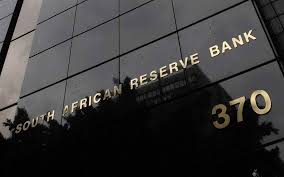
In Nigeria, the Monetary Policy Committee (MPC) recently raised the Monetary Policy Rate (MPR) to 22%, aiming to temper inflation which stood at around 24.5% in June 2025. Similarly, Ghana’s central bank increased its benchmark rate to 29.5% to manage inflationary expectations fueled by a weakening cedi and fiscal pressures. Meanwhile, South Africa, grappling with relatively lower inflation levels but slower growth, has taken a more measured approach, adjusting its repo rate moderately.
The varied policy responses also reflect the differing structural and external vulnerabilities of these economies. Countries reliant on commodity exports are particularly exposed to volatile global prices, which complicate inflation targeting. Others are battling currency depreciation linked to capital outflows amid tightening global liquidity.
Financial experts caution that while interest rate adjustments remain a potent tool in the monetary policy arsenal, their effectiveness depends on complementary fiscal discipline and structural reforms. Excessive hikes risk stifling economic recovery and increasing the cost of borrowing for businesses and households, especially in economies still recovering from the COVID-19 pandemic fallout.
As Sub-Saharan African nations navigate these complex economic dynamics, central banks are expected to continue fine-tuning their policies to strike a balance between stabilizing prices and supporting sustainable growth. The coming months will be crucial in assessing the impact of these interest rate changes on inflation trends, exchange rates, and overall economic stability in the region.


