Tensions Escalate as Iran Launches Suspected Khorramshahr Ballistic Missile Towards Israel
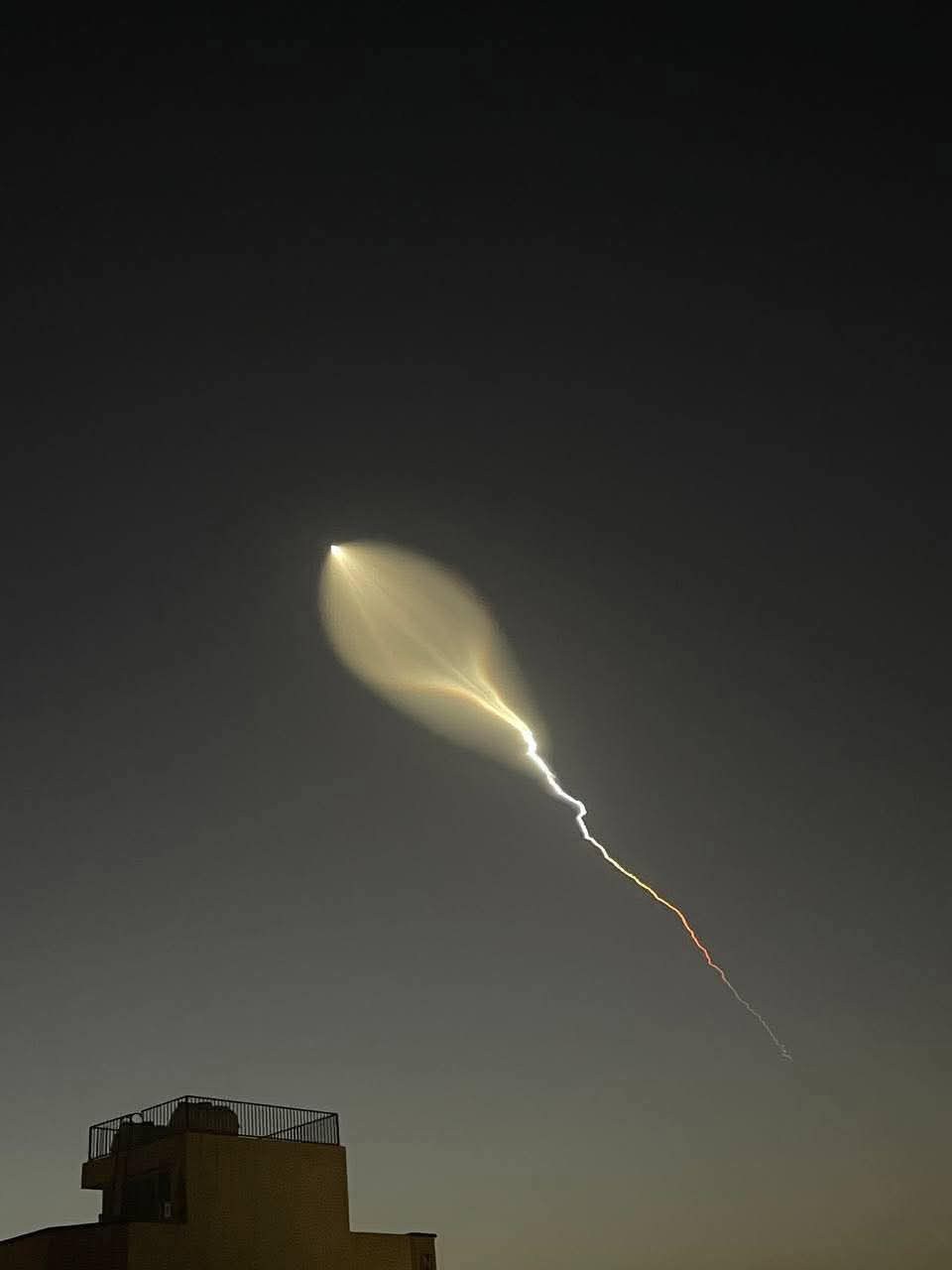
A fresh wave of concern has swept across the Middle East following reports that the Islamic Republic of Iran has launched a ballistic missile towards Israeli territory, in what analysts believe could be the first operational use of the long-range Khorramshahr-class missile.
Defence sources monitoring regional airspace confirmed that the missile’s flight path and performance characteristics closely align with those of the Khorramshahr series—an advanced, medium-to-long-range ballistic missile developed by Iran’s military industry. While official confirmation is still pending from Tehran, military observers suggest that the use of this particular missile marks a significant escalation in Iran’s missile capabilities and strategic intent.
The trajectory analysis indicates an unusually extended range and speed, reinforcing suspicions that Iran may have deployed a more sophisticated weapon than those previously launched in recent skirmishes. If verified, this would be the first known instance of the Khorramshahr being fired in a live conflict scenario against Israeli targets.
The incident comes amid heightened hostilities between the two countries, with Iran increasing its threats following recent developments in Gaza, Syria, and Lebanon—where it maintains support for several armed factions opposed to Israel. In response, the Israeli military has remained on high alert, with its multi-layered missile defence systems reportedly activated during the launch window.
Regional and international security experts are now watching closely, as the introduction of the Khorramshahr-class missile in active conflict significantly alters the threat matrix for Israel and neighbouring states. The missile, believed to be capable of carrying both conventional and potentially nuclear payloads, has long been a subject of concern in Western security circles due to its range—estimated to reach as far as 2,000 kilometres.
As of the time of reporting, neither Iran nor Israel has officially confirmed the specifics of the missile fired, but back-channel intelligence briefings have raised alarms about a possible shift in Tehran’s military posture. The development is likely to draw swift reactions from both the United Nations and global powers monitoring the volatile situation in the Middle East.
With tensions already at a boiling point, this latest action risks drawing the region into deeper conflict, while further complicating any diplomatic efforts to restore calm.